What Homes Sell For
Recent Sales
Median sale prices, last 12 months · Oct 2025 – Oct 2026
- Houses
- $3,950,000
- Condos & co-ops
- $1,178,000
- TICs
- $1,362,500
Sales in MLS neighborhood 6B (Hayes Valley) reported to the San Francisco MLS, including off-MLS sales; known below-market-rate (BMR) sales excluded. Medians need at least 5 sales. Updated monthly; deemed reliable but not guaranteed. Compare every neighborhood on the price map or ask us what a specific home is worth.
The Good
- Flat, sunny and central: most errands happen on foot
- Hayes Street boutiques and restaurants, with Patricia’s Green in the middle of it all
- The opera, symphony, ballet and SFJAZZ a few blocks away
- Muni Metro under Market Street, the Wiggle for bikes, and 101 access
- Values hold up: houses sell at about twice the citywide median and TICs about 16% over, while condos come in about 8% under, an easier entry point than the address suggests
The Tradeoffs
- Few single-family houses: only 9 sold in the last year
- Show nights and weekends bring crowds and traffic
- The Market and Van Ness edges are busy and loud
Hayes Valley runs roughly from Franklin Street west toward Webster, between Fell and Market. It was once cut in half by the elevated Central Freeway. After the 1989 earthquake damaged it and neighbors pushed to take it down, Octavia Boulevard and Patricia’s Green turned the area into one of the most walkable neighborhoods in the city. On the San Francisco MLS map it is neighborhood 6B. We have been selling here since the freeway was still standing, and this guide is the version we give clients: what the homes are like, what they actually sell for, and why the blocks people used to avoid are now the ones they compete for.
The Neighborhood Block by Block
The Freeway Came Down and the Shops Moved In
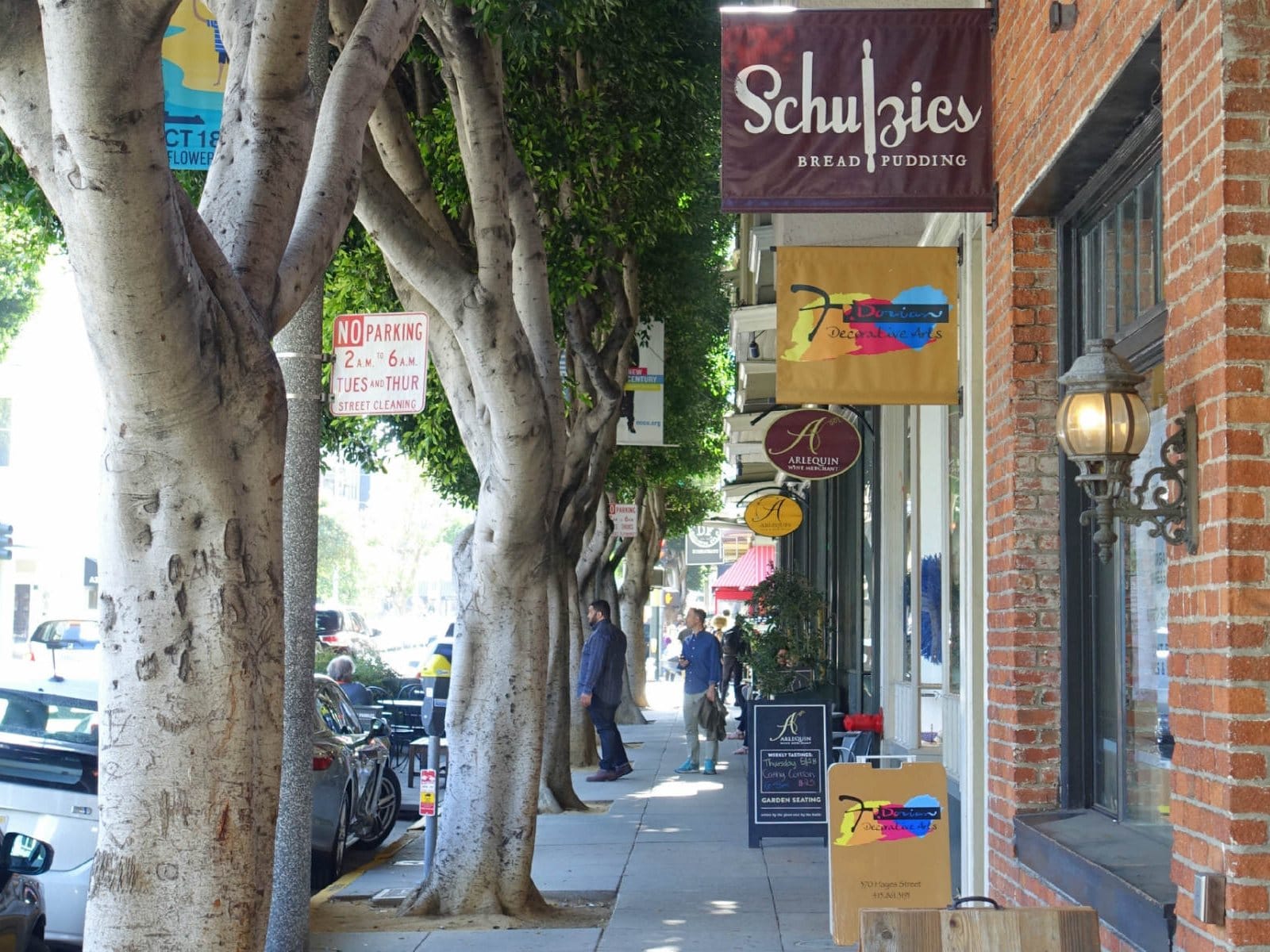
With the ramps gone, Octavia became a tree-lined boulevard and Hayes Street filled with locally owned boutiques, bars and restaurants. Patricia’s Green, named for neighborhood leader Patricia Walkup, gives everyone a place to sit, eat ice cream and look at the rotating art.
Shops under the street trees on Hayes Street.
Victorians Next to New Condos
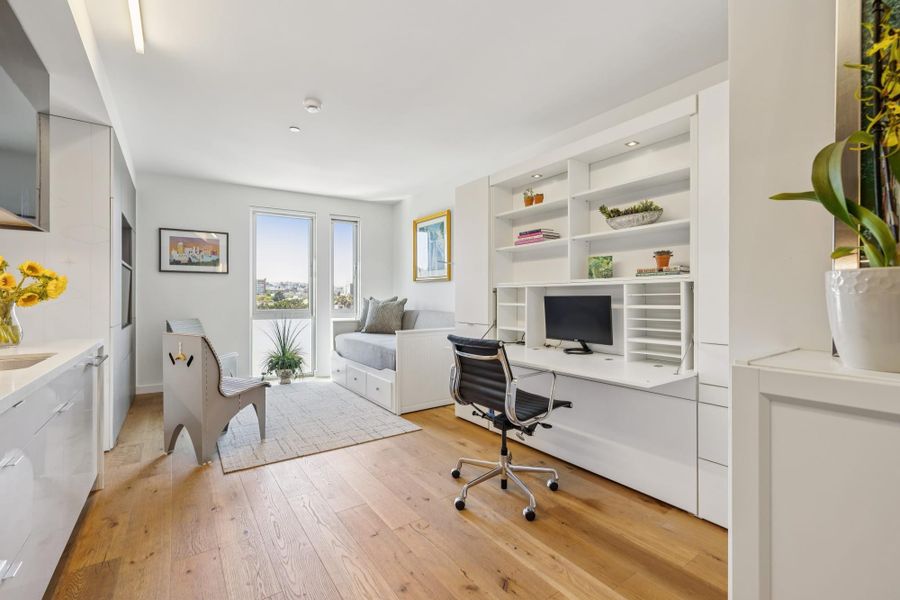
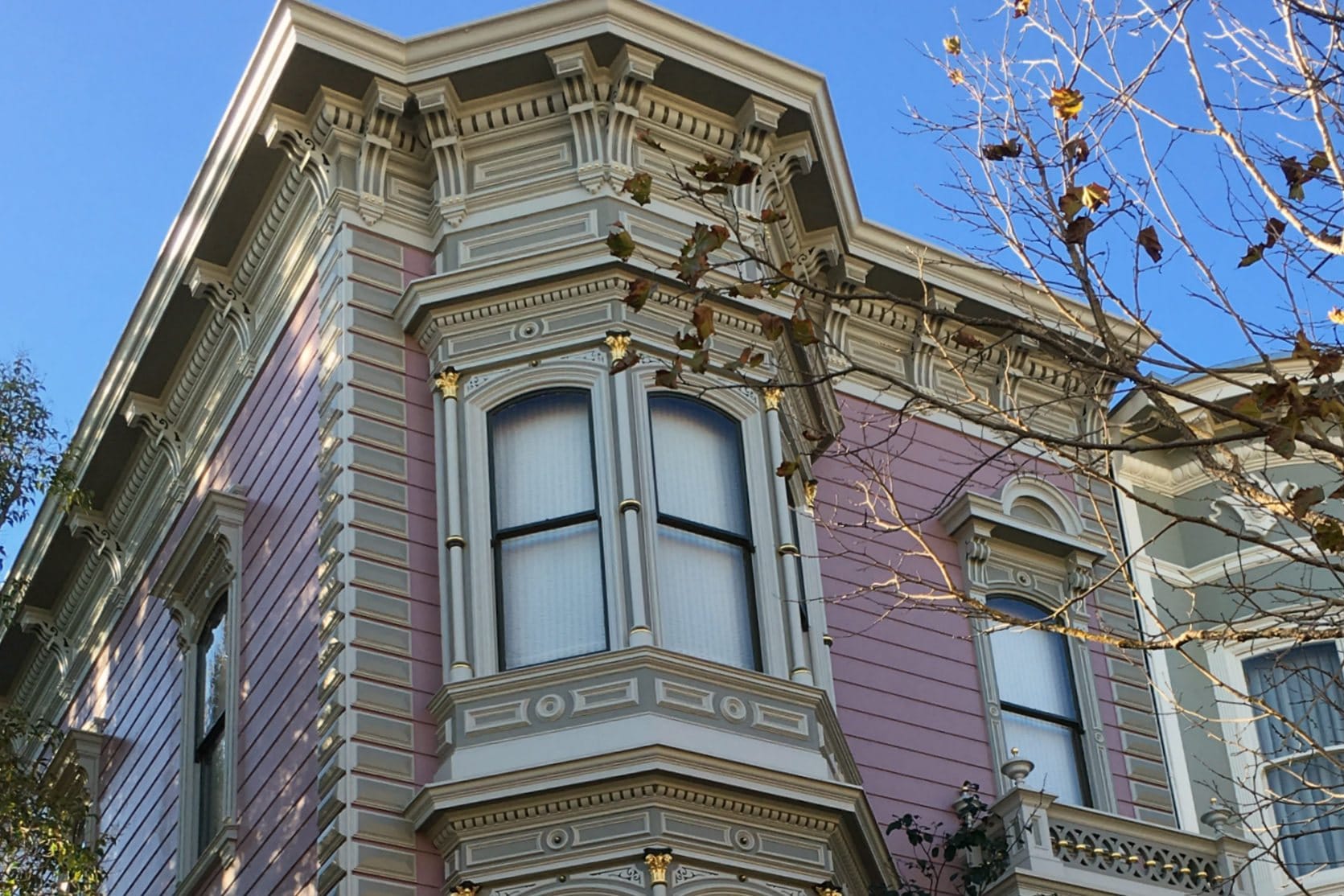
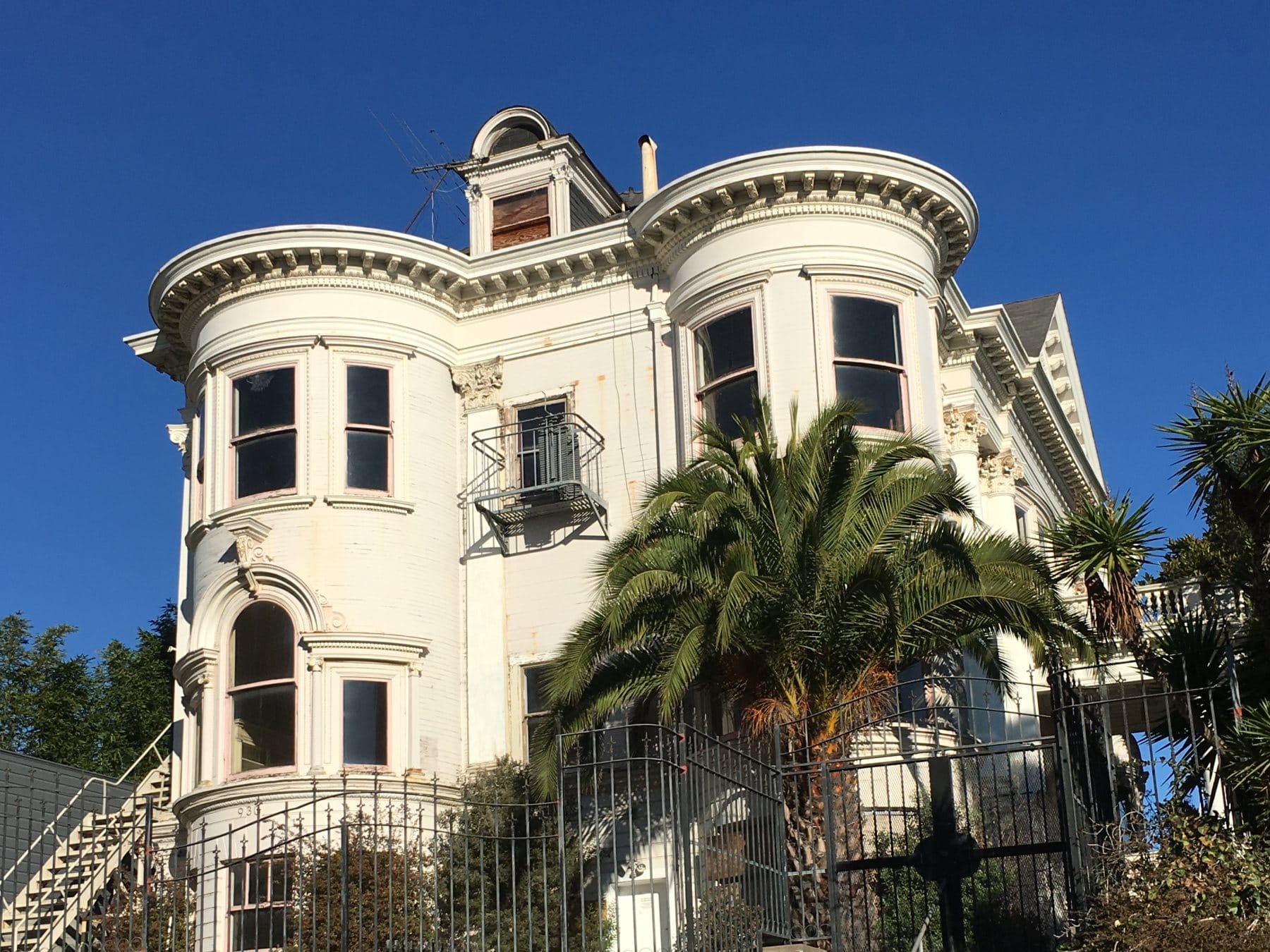
High-rises are rare on the interior blocks. Victorian and Edwardian homes sit beside newer five- and six-story condo buildings, much of it infill on lots the old freeway left behind. Condos in small buildings and TICs are common too.
A Victorian perched above the street.
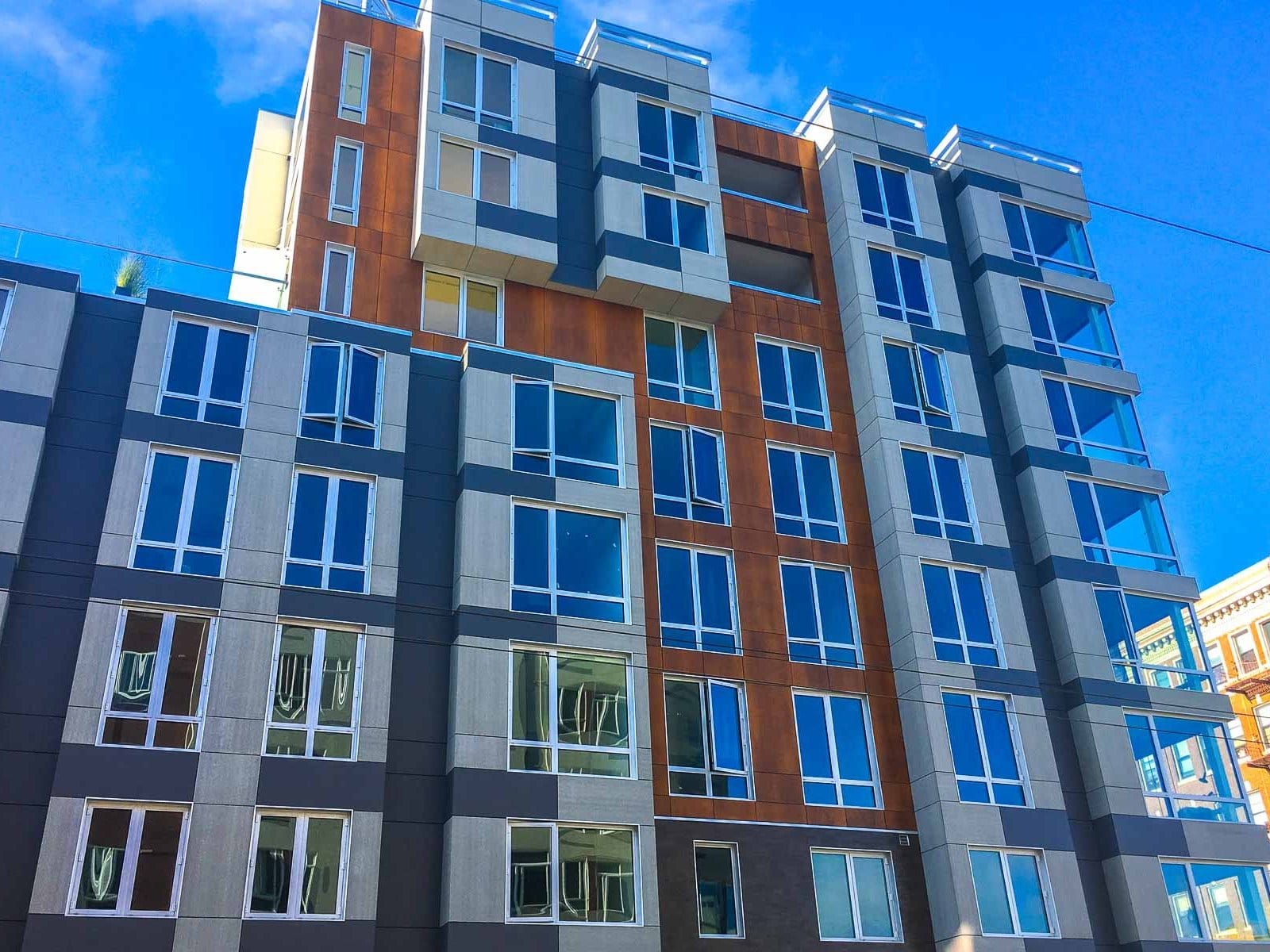
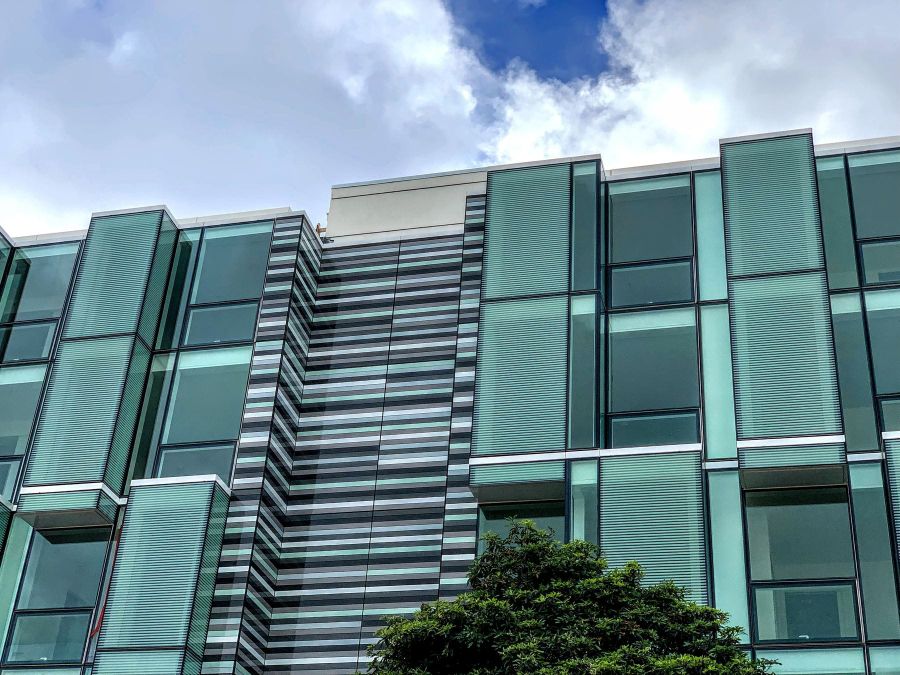
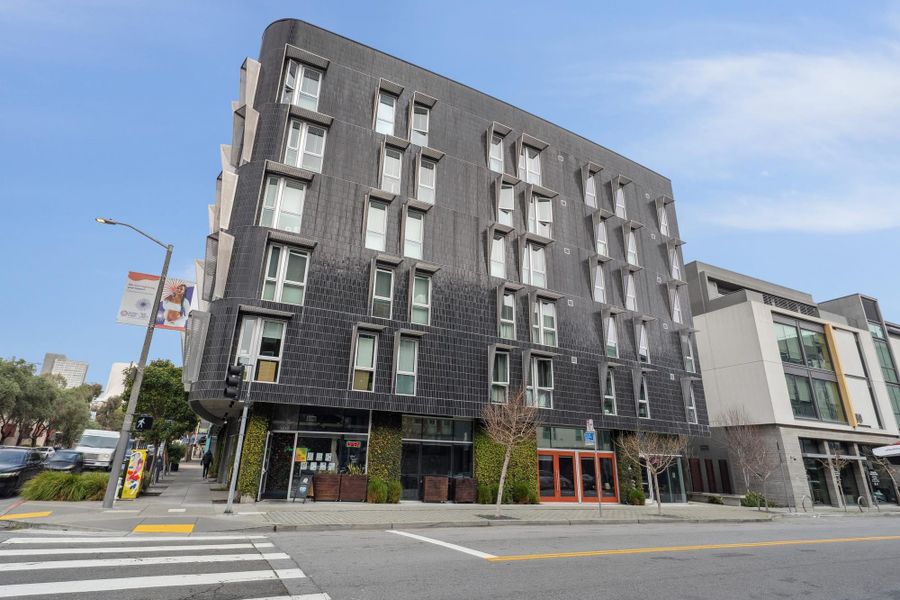
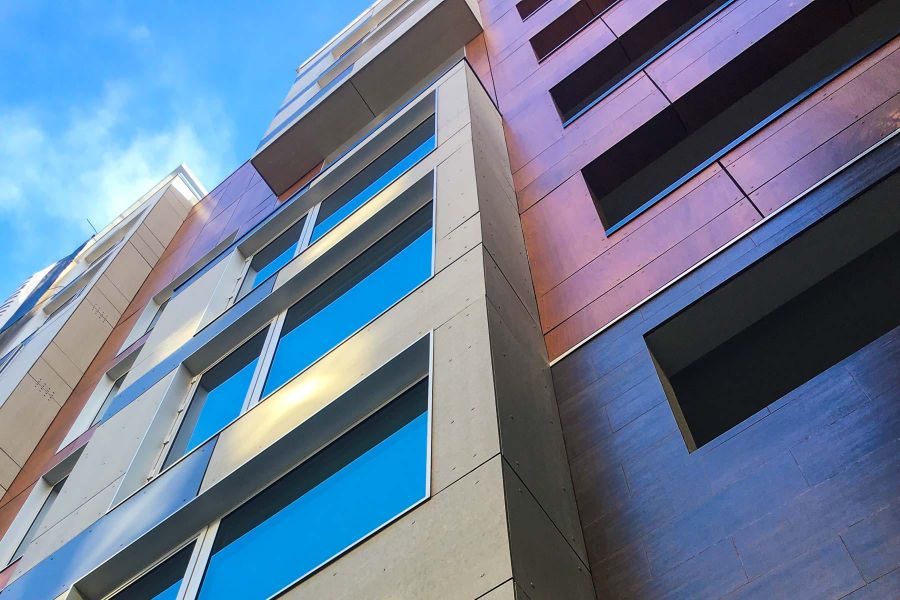
The Newer Buildings Fill the Old Freeway Lots
Much of the newer condo construction is infill on parcels the Central Freeway left behind. The next wave is likely to be denser and taller, concentrated near the Hub at Market and Van Ness, a short walk from the opera, symphony and SFJAZZ.
Newer condos on former freeway land.
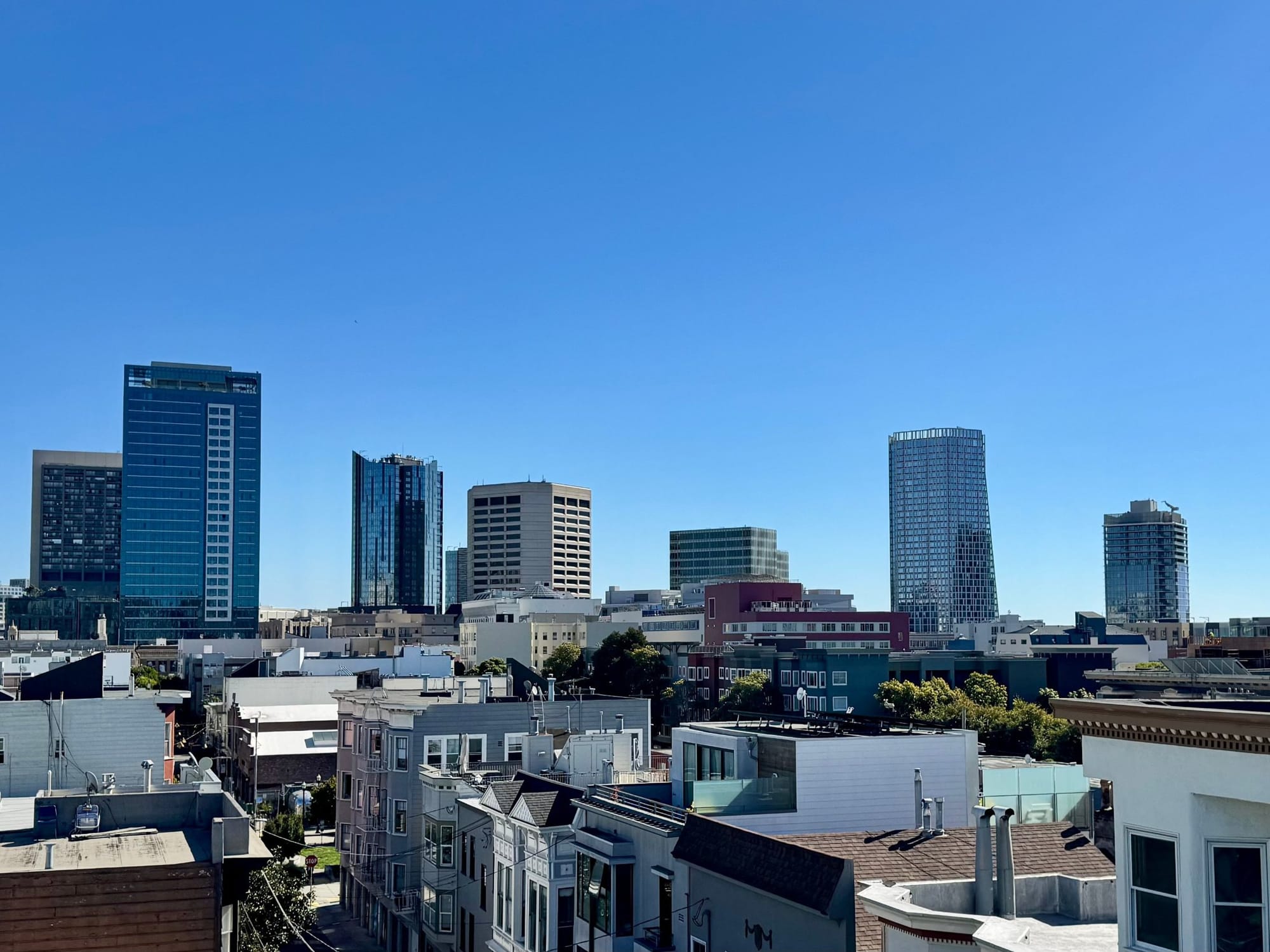
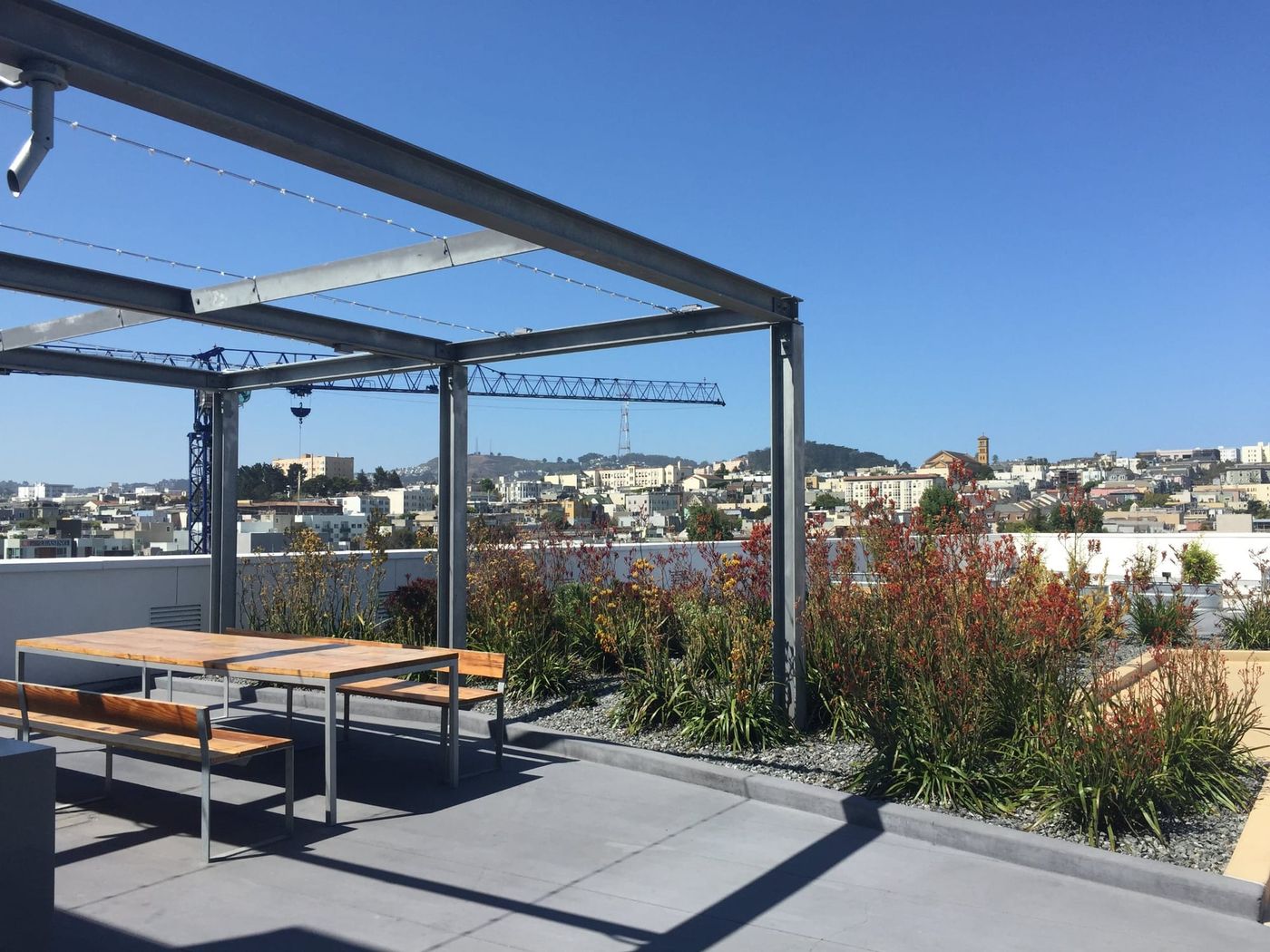
The Hub From the Roof Deck
Go up to the roof and the low Victorian rooflines give way to the towers rising around the Hub, where Market meets Van Ness. Close enough to see from the deck, far enough to stay out of it.
The Hub Towers From a Hayes Valley Roof Deck. photo: matt fuller
The Longer Story
From Freeway to Octavia Boulevard
The elevated Central Freeway sliced through the neighborhood starting in the 1950s, and for decades Hayes Valley was not a place people moved to on purpose. The 1989 Loma Prieta earthquake damaged the structure, neighborhood activists campaigned to remove it, and when it came down Octavia went from a dark tunnel to a wide, tree-lined boulevard.
Infill housing has since filled most of the lots left by the old on- and off-ramps.
The Homes in Detail
Victorian and Edwardian homes, condos in smaller buildings, TICs, and newer condo buildings that mostly top out at five or six stories on the interior blocks, with taller, denser buildings likely to keep coming near the Hub at Market and Van Ness.
Getting Around
Muni Metro runs under Market Street at the south edge of the neighborhood, and several bus lines cross it. Cyclists know Hayes Valley for the Wiggle, and the flat blocks make car-free errands easy. Drivers have 101 access close by.
Questions We Hear
Are There Any Notable Historical Landmarks or Sites in Hayes Valley?
Hayes Creek once ran through this verdant landscape of wildflowers, way back when the Ohlone tribe of native people gathered food in the area. Today, the creek is entirely underground. Italian emigrants once developed produce farms here after the 1849 Gold Rush, and much of the area survived the catastrophic 1906 earthquake and fire.
Notable landmarks include the San Francisco Zen Center at 300 Page Street. Originally designed by architect Julia Morgan and built as a residence club in 1922 for single Jewish women, the Italianate brick structure now hosts resident Zen students and their teachers.
Nearby, the 6,900-square foot Charles Dietle House is a stick-style private residence designed by Henry Geilfuss and built in 1878, and is now a San Francisco Designated Landmark.
What Is There to Do in Hayes Valley?
Hayes Valley is one of the city’s most on-trend neighborhoods, and the main shopping corridor on Hayes Street features many upscale clothing boutiques, dessert shops, water holes, and restaurants. The revitalized area is also home to a park with art installations, a children’s playground, picnic tables, and tennis and basketball courts.
Hayes Valley is a next-door neighbor to many of San Francisco’s most notable performing arts institutions, including the ballet, opera, and theater. The neighborhood makes for a convenient dinner-and-a-show destination, with lively foot traffic around performance times.
How Does the Community Vibe in Hayes Valley Contribute to Its Real Estate Appeal?
Hayes Valley enjoyed and maintains a revitalized character after the removal of the earthquake-damaged Central Freeway in the early aughts. Now home to a bustling and trendy shopping district, it is now one of the more sought-after neighborhoods in San Francisco real estate. Beautifully restored Victorians coexist with modern condos and apartments, and residents enjoy many public transit options and quick access to both downtown and a 101 entrance ramp. Nicknamed “Cerebral Valley” in the early 2020s by the local tech community, Hayes Valley is also home to many generativeAI-focused communities, startups, and "hacker houses."
Where Can I Find New Construction in Hayes Valley?
As an “already built” neighborhood, Hayes Valley is not a neighborhood where you should expect to find substantial new construction projects. Smaller developers may renovate/flip existing properties, or may take advantage of recent housing laws to add additional units to already existing housing. Transit corridors and major neighborhood streets are the most likely areas for new construction buildings in already built neighborhoods with existing housing stock.
What Are the Average Home Prices in Hayes Valley and How Have They Trended?
The Recent Sales box above has the current medians for houses, condos and TICs, updated monthly from the San Francisco MLS. Prices still move block by block and season by season, so a single median hides more than it tells. For a read on a specific home or street, ask us: we will pull the recent sales and tell you what they mean.