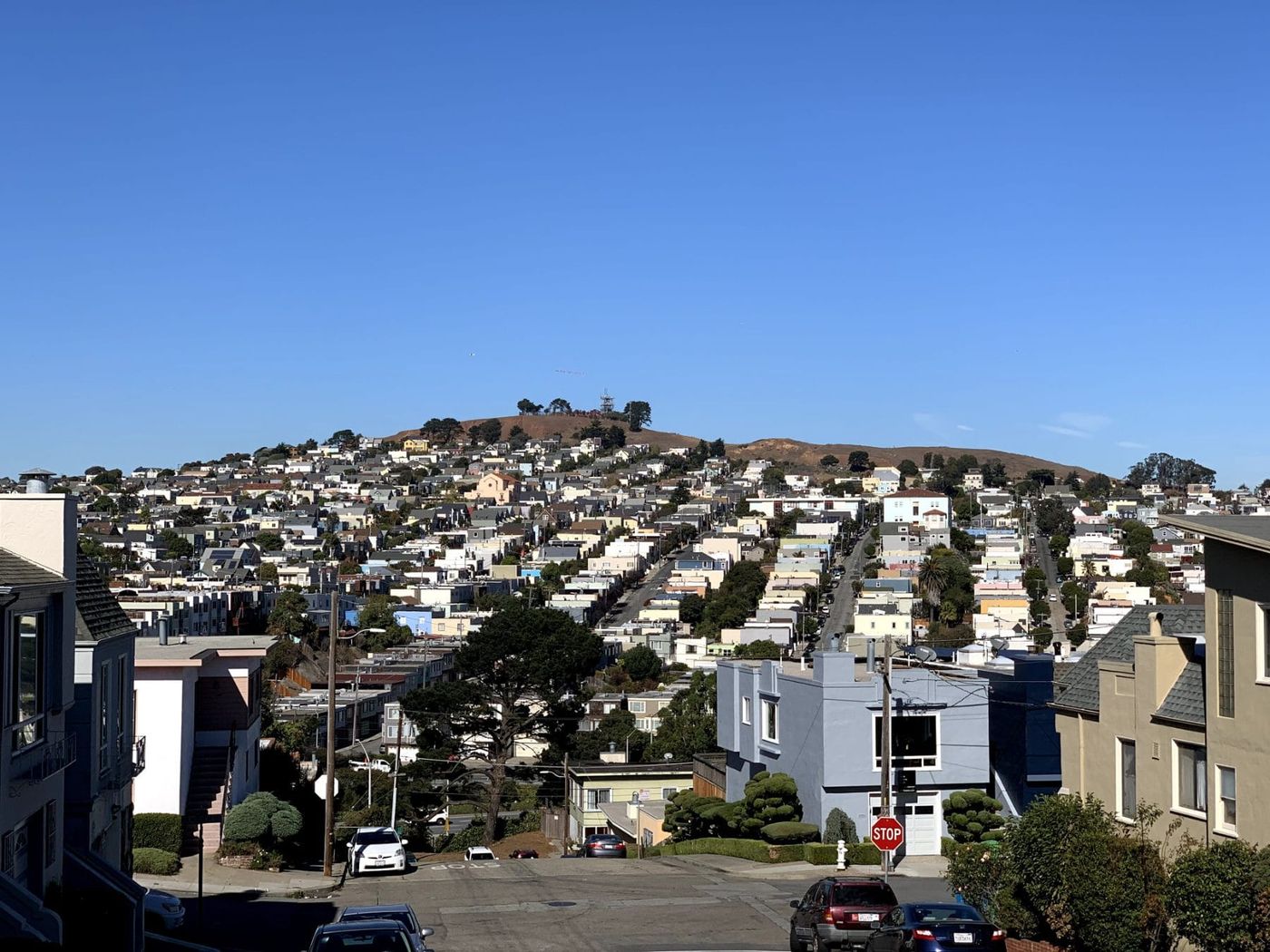
What Homes Sell For
Recent Sales
Median sale prices, last 12 months · Oct 2025 – Oct 2026
- Houses
- $1,311,000
Sales in MLS neighborhood 10F (Portola) reported to the San Francisco MLS, including off-MLS sales; known below-market-rate (BMR) sales excluded. Medians need at least 5 sales. Updated monthly; deemed reliable but not guaranteed. Compare every neighborhood on the price map or ask us what a specific home is worth.
The Good
- Houses sell for about a third less than the citywide median, and many have the yards and garages that are rare elsewhere.
- San Bruno Avenue is a walkable main street with bakeries, groceries and restaurants.
- McLaren Park is on the western edge.
- A neighborhood of owners. People buy here and stay.
The Tradeoffs
- Freeways frame the neighborhood on two sides, and the blocks closest to them hear it.
- Transit is Muni buses; BART means a short ride to Glen Park or Balboa Park.
- The northern end is more industrial than the leafy southern blocks.
The Portola calls itself San Francisco’s Garden District, and the city agrees: the Board of Supervisors made it official in 2016. For most of the 20th century the neighborhood grew flowers for the rest of the city. Today it is a quiet, owner-occupied neighborhood of houses with gardens, a busy main street and a big park next door.
The Neighborhood Block by Block
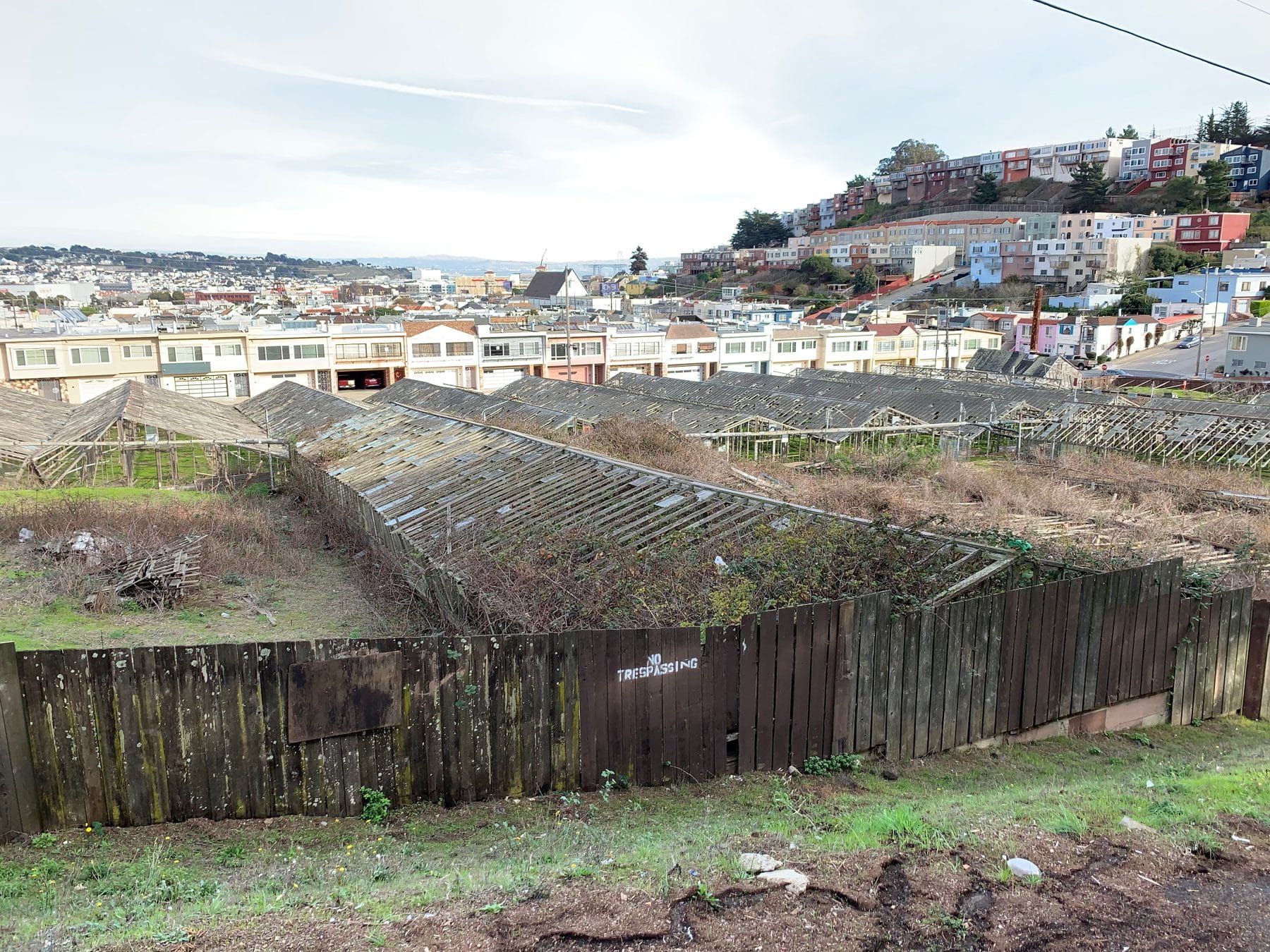
The Garden District
After the 1906 earthquake, Italian and Jewish immigrant families settled here and built a flower-growing industry of nurseries and greenhouses. The last standing family-owned commercial greenhouses are on Woolsey Street, where the Greenhouse Project is turning them into an urban farm and community space. The annual Portola Garden Tour opens backyards to the neighborhood.
Old Greenhouse Frames Below the Hill. photo: matt fuller
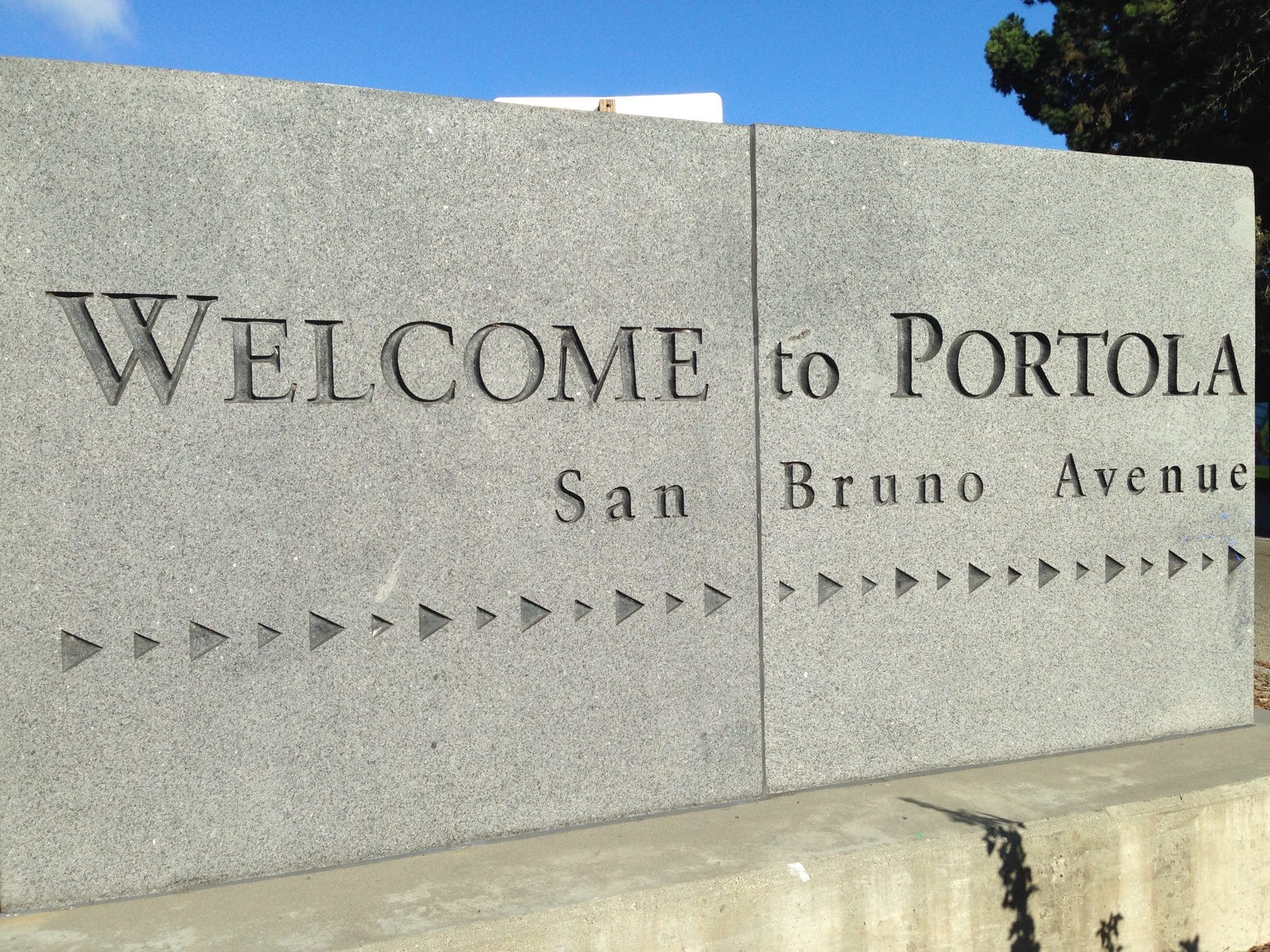
San Bruno Avenue
Locals call San Bruno Avenue “The Road.” It runs for about nine blocks of bakeries, grocers, pharmacies and restaurants, including the old Avenue Theatre building, and it’s where the neighborhood does its errands.
Welcome to Portola, San Bruno Avenue. photo: matt fuller
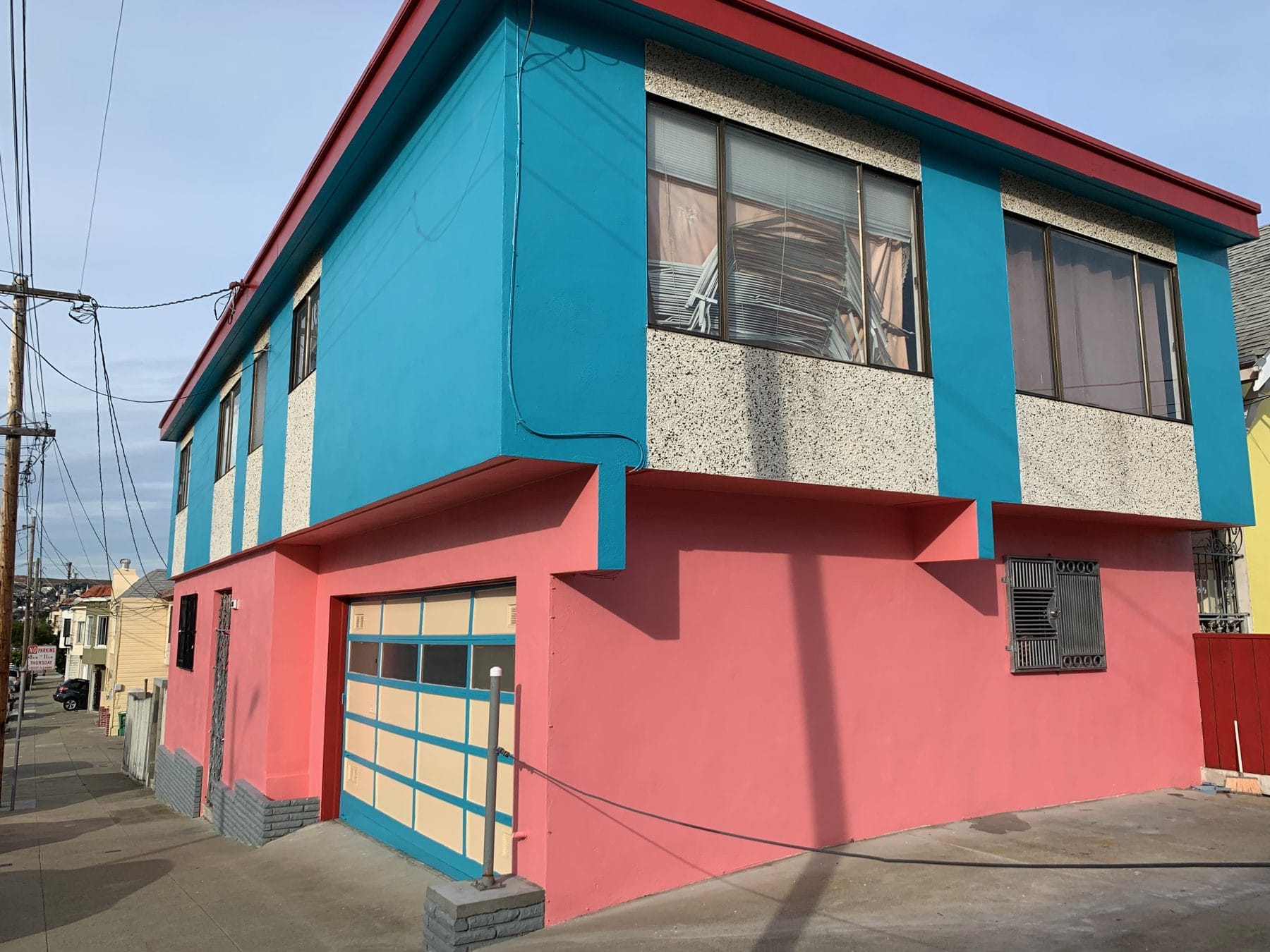
Houses With Yards
Most homes are detached or semi-detached single-family houses with backyards and garage space. That combination is the reason a lot of buyers find the Portola and the reason a lot of owners never leave.
Color on a Portola Corner. photo: matt fuller
The Longer Story
The Homes in Detail
Primarily owner-occupied single-family houses, many two-story homes built from the 1920s onward, with yards and garages. Condo sales are rare, so the market here is a house market.
A Little History
The Portola was farmland and greenhouses for much of the 20th century, a flower-growing district supplying the city. World War II and the freeway era reshaped it, and most greenhouses are gone, but the neighborhood revived the Garden District name and the city formally recognized it in 2016.
Getting Around
Muni buses run on San Bruno Avenue and nearby streets. Glen Park and Balboa Park BART stations are a short drive or bus ride away, and US-101 and I-280 are close for drivers.
Questions We Hear
What Are Homes Like in the Portola?
Single-family houses, mostly detached or semi-detached, often with backyards and garages. Very few condos.
How Do People Commute From the Portola?
By car on US-101 or I-280, by Muni bus, or by BART from Glen Park or Balboa Park.
What Is There to Do in the Portola?
San Bruno Avenue for food and errands, McLaren Park for walks, and the Portola Garden Tour if you like seeing other people’s tomatoes.
Why Is It Called the Garden District?
For most of the 20th century the Portola was full of nurseries and greenhouses that grew flowers for the city. The Board of Supervisors recognized it as San Francisco’s Garden District in 2016.