What Homes Sell For
Recent Sales
Median sale prices, last 12 months · Oct 2025 – Oct 2026
- Houses
- $2,600,000
- Condos & co-ops
- $1,900,000
- TICs
- 1 sale
Sales in MLS neighborhood 1G (Lone Mountain) reported to the San Francisco MLS, including off-MLS sales; known below-market-rate (BMR) sales excluded. Medians need at least 5 sales. Updated monthly; deemed reliable but not guaranteed. Compare every neighborhood on the price map or ask us what a specific home is worth.
The Good
- Quiet residential streets, many only one block long
- 1920s to 1940s single-family homes, most built with garages
- Geary and Masonic shopping within walking distance
- Golden Gate Park and the Panhandle nearby
- Values hold up: houses sell about 30% over the citywide median, condos about 49% over
The Tradeoffs
- No commercial street inside the neighborhood
- Student life comes with the territory
- A small neighborhood: 13 houses sold last year, so choice is thin
- Plenty of buses, but no light rail
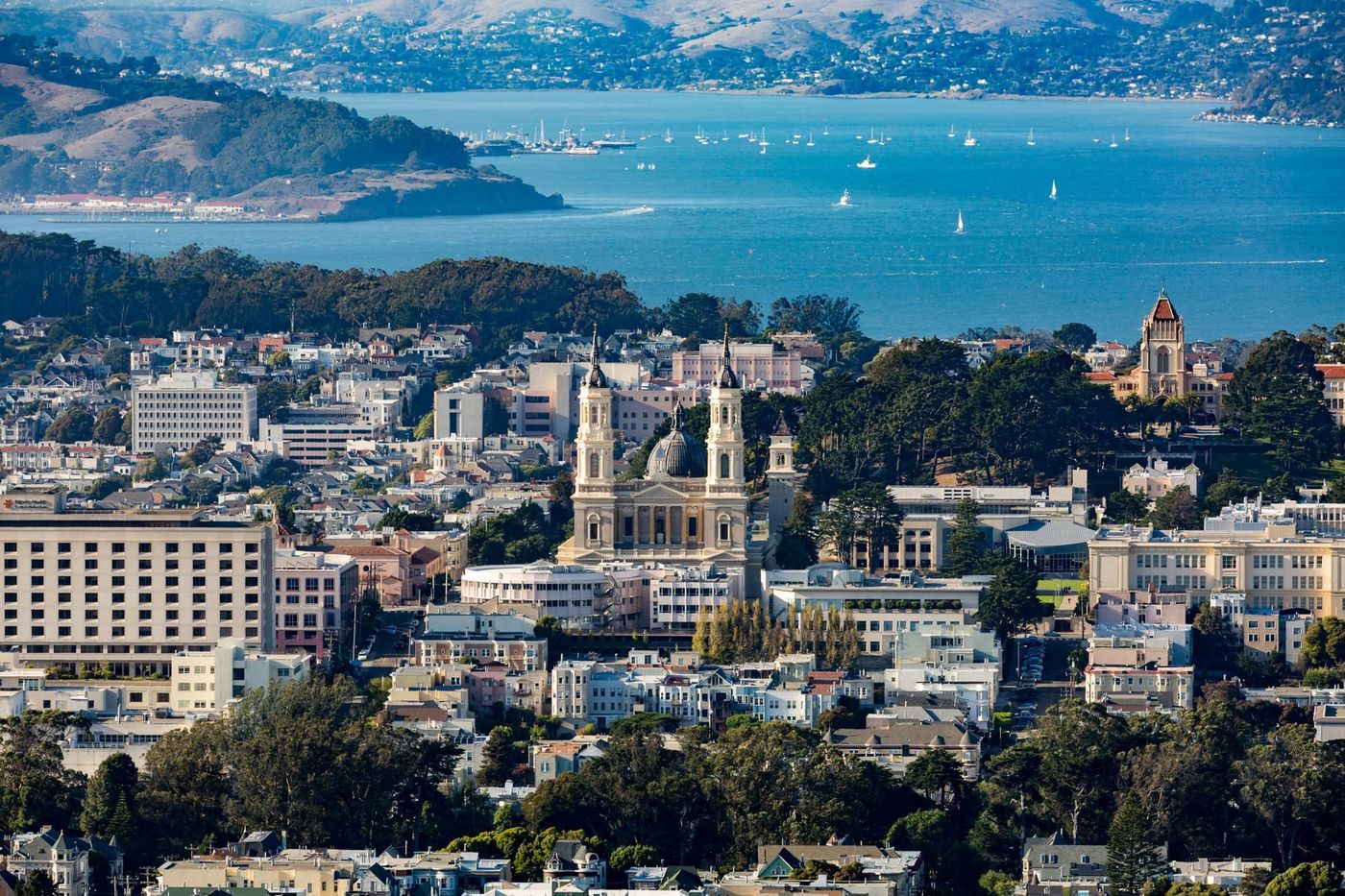
Lone Mountain is anchored by the University of San Francisco campus, in the area bounded by Geary, Arguello, Fulton and Masonic. Because the campus takes up so much of it, there are relatively few homes for the size of the neighborhood, many of them on short streets that end at the university on both sides. It is quiet, central and a little hidden. The Fuller Team has been selling San Francisco homes since 2002, so this guide is the version we give clients: what the houses are really like, what they sell for, and who tends to be happy here.
The Neighborhood Block by Block
Ewing Terrace Is the Secret
A circular street of homes tucked into the neighborhood, and the one locals point to first.
Homes on Ewing Terrace. photo: matt fuller
A Circle of Its Own
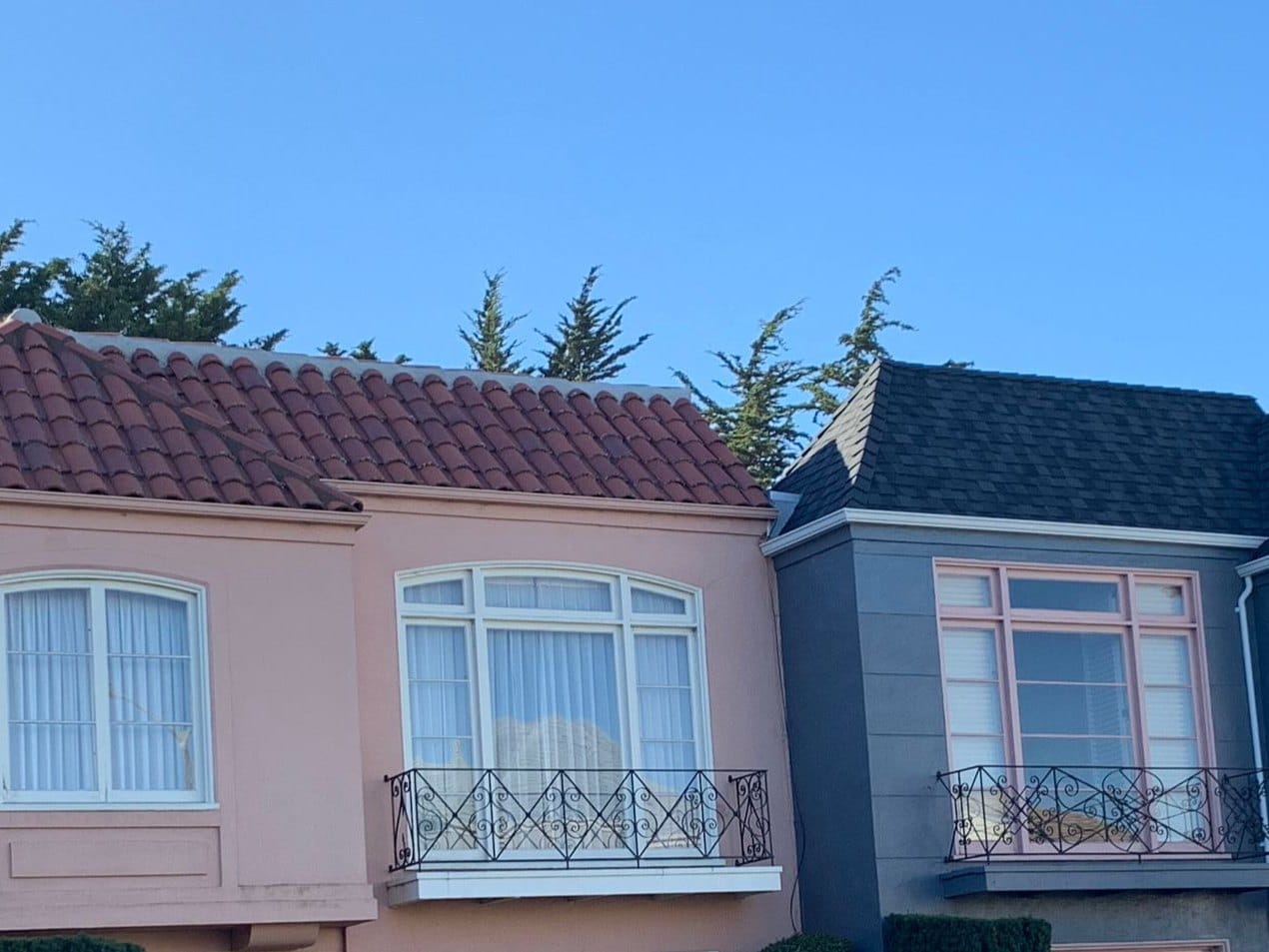
Ewing Terrace curves around itself on the north side of the neighborhood, lined with tile roofs, bay windows and a little more color than the blocks around it.
Tile Roofs and Bay Windows on Ewing Terrace. photo: matt fuller
Rooflines Worth Looking Up For
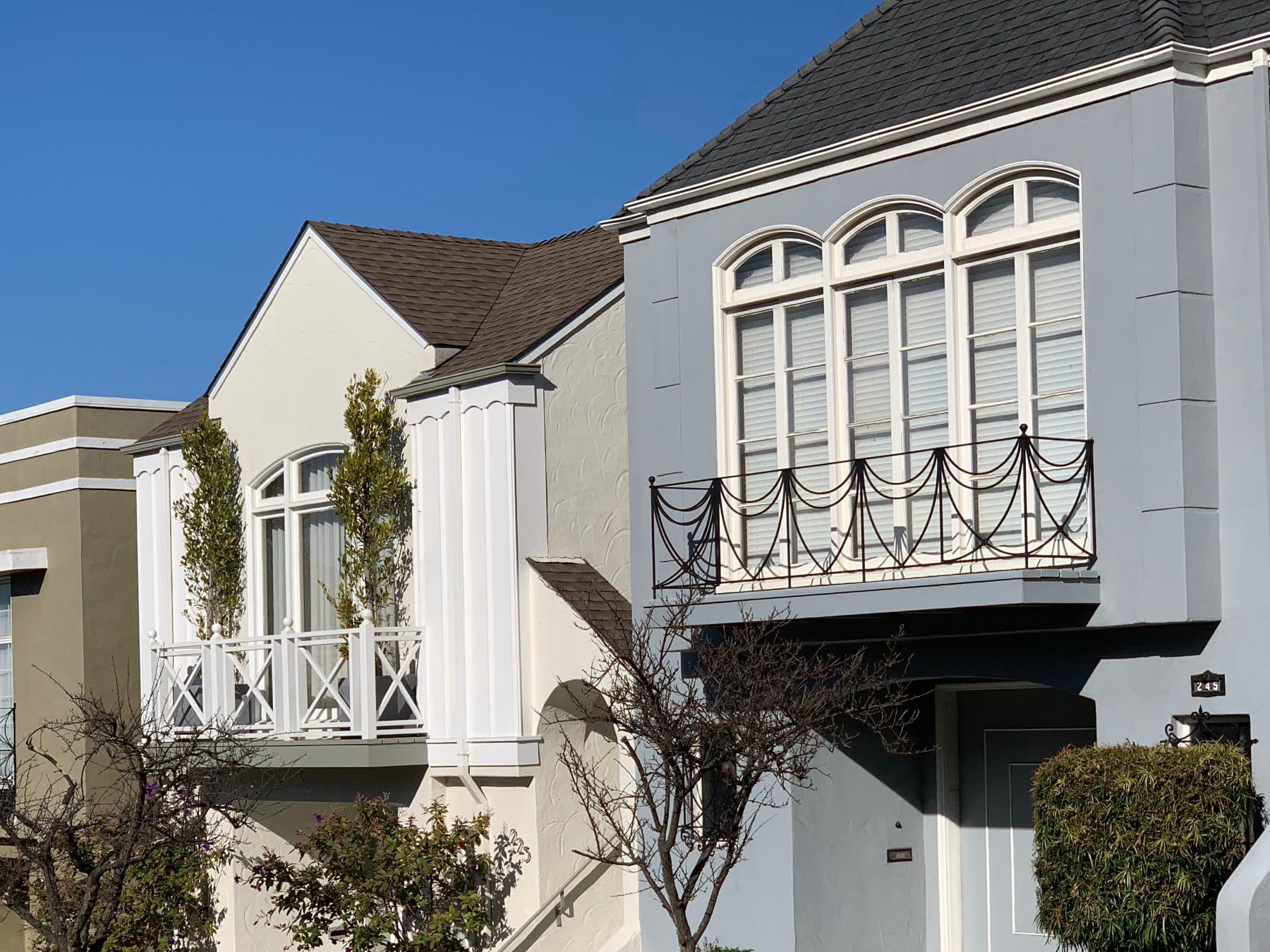
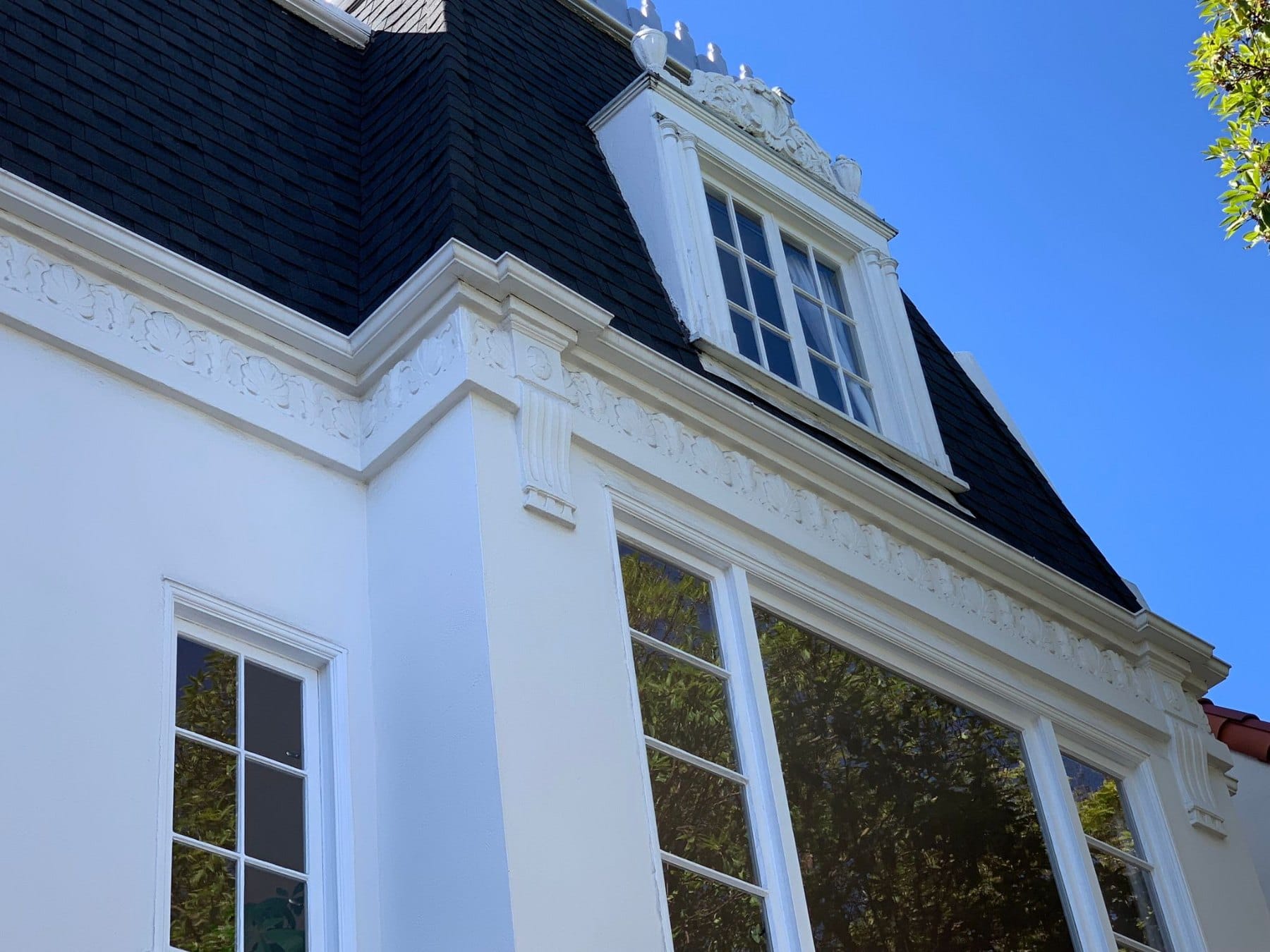
Mansard roofs, dormers and big bays turn up on the streets around the campus. Most homes here date from the 1920s to the 1940s, with a few older ones mixed in.
A Mansard Roof and Dormers in Lone Mountain. photo: matt fuller
Bays on Bays
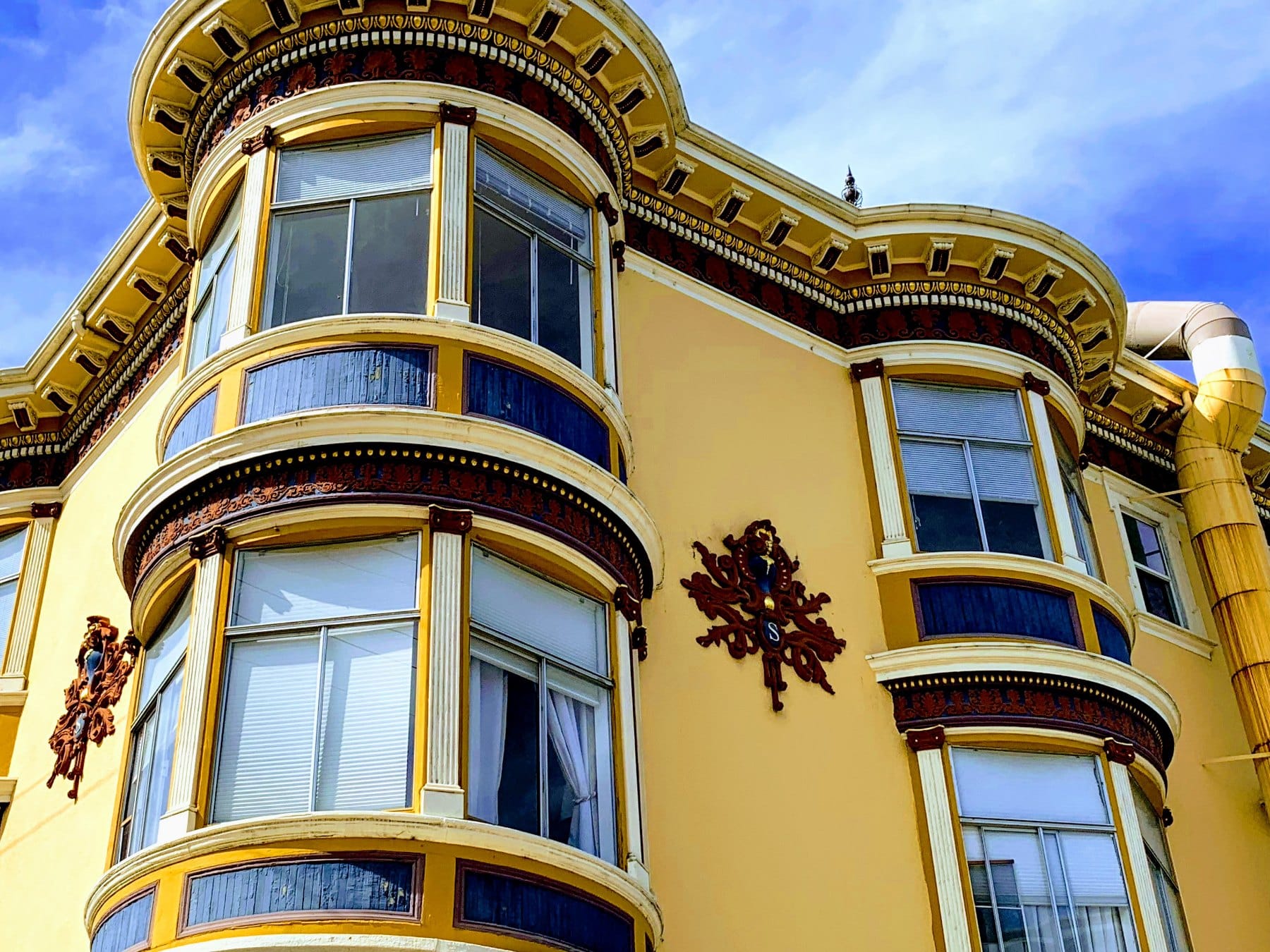
Some of the older homes go all in on the bay window, stacking curved glass and ornament two stories high.
Curved Bay Windows on a Lone Mountain Home. photo: matt fuller
The Campus Sets the Rhythm
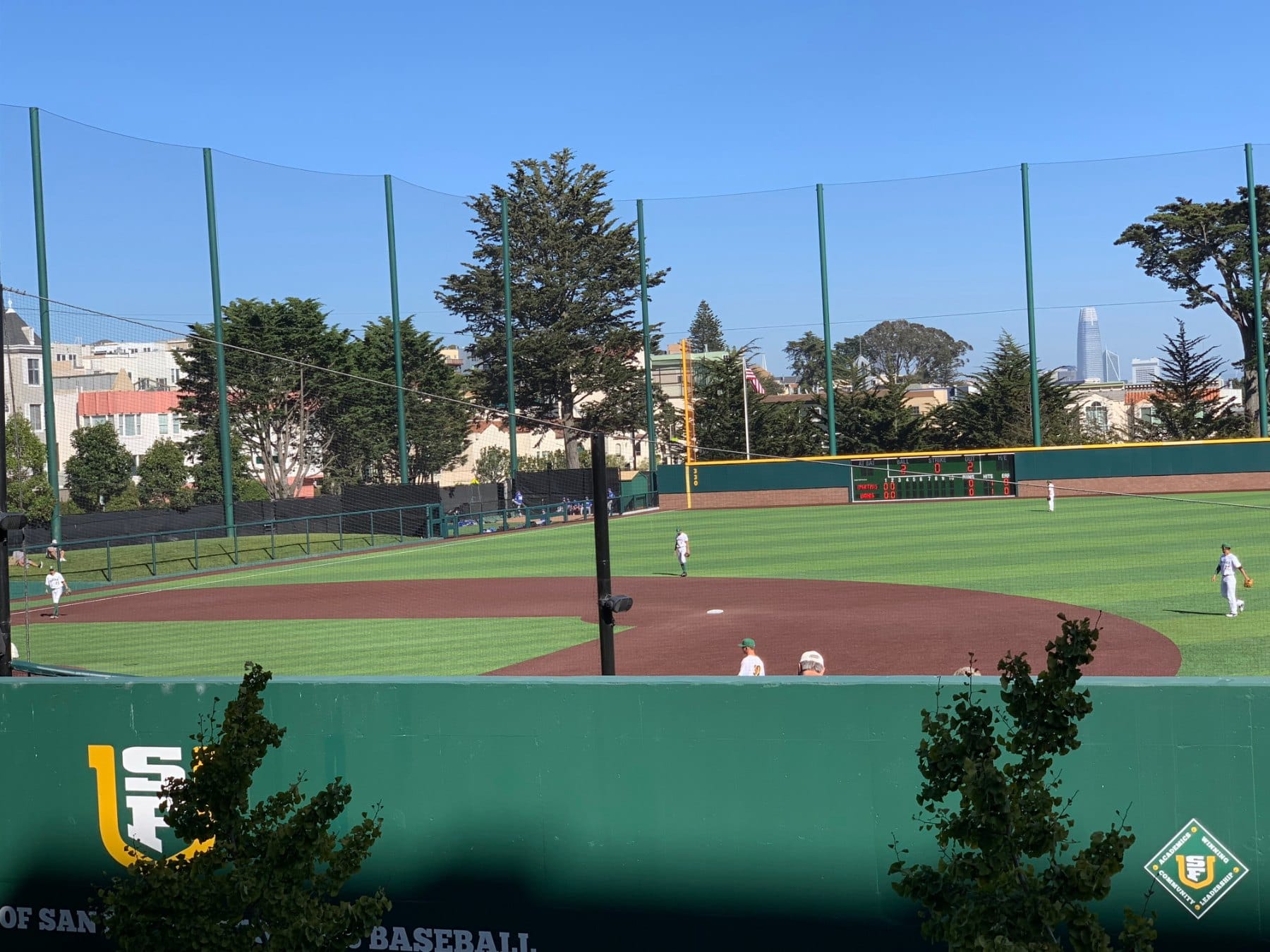
USF is the neighborhood’s center of gravity: ballfields, students and a campus that shapes where the streets start and stop.
The USF Ballfield in Lone Mountain. photo: matt fuller
A Little Deco on the Corner
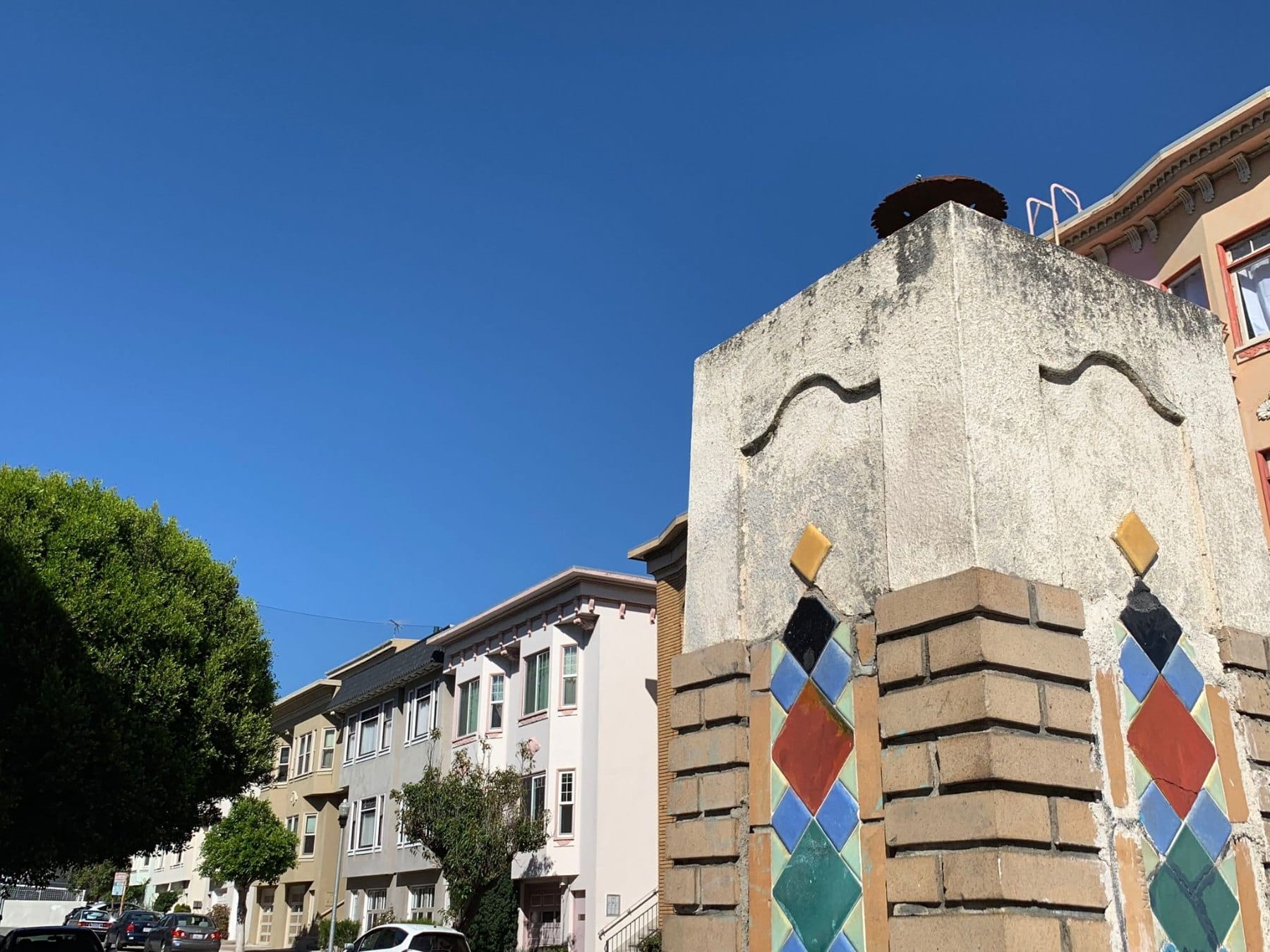
Lone Mountain mixes eras block by block, from Edwardian bays to a stucco tower with Art Deco diamonds.
Art Deco Diamond Details in Lone Mountain. photo: matt fuller
The Longer Story
The Homes in Detail
Single-family homes built between the 1920s and 1940s are the most common in Lone Mountain, most on very standard 25-foot San Francisco lots. Houses sold for a median of about $1,260 a square foot last year, and condos about $1,190.
Errands and Dinner
There is no commercial center inside the boundaries, but the shopping center at Geary and Masonic is just outside, with groceries and daily errands on foot.
Getting Around
It is easy to have a car here, since most homes were built with garages. For public transportation, there are plenty of bus lines to choose from.
Questions We Hear
Are There Any Notable Historical Landmarks or Sites in Lone Mountain?
As its name suggests, Lone Mountain is located on one of San Francisco’s famous and historical hills, roughly equidistant from the Pacific Ocean and the San Francisco Bay. Lone Mountain is home to the campus for University of San Francisco, formerly known as the San Francisco College for Women, established in 1932 by the Religious of the Sacred Heart convent. It was also the former home of the Lone Mountain Cemetery. The copper-domed Columbarium and Funeral Home, built in 1898 by architect Bernard J.S. Cahill, is an example of neoclassical architecture and joined the San Francisco Designated Landmarks in 1996.
What Is There to Do in Lone Mountain?
Lone Mountain is visible from many spots in the city and offers sweeping vistas in every direction. The neighborhood is bordered by Geary Boulevard to the north, a major city and commercial thoroughfare, with a variety of shops, bars, restaurants, a Target, and small businesses.Lone Mountain also features the Angelo J. Rossi Playground and Rossi Pool, providing residents with easy access to public tennis and basketball courts, picnic areas, an indoor swimming pool, and a children’s playground.
How Does the Community Vibe in Lone Mountain Contribute to its Real Estate Appeal?
With its notable university campus, great views, and good schools that include a French immersion preschool, Lone Mountain is a centrally located neighborhood and a great place for families to settle down. Lone Mountain offers a vibrant mix of families, single residents, University of San Francisco students, and tenured professors, in a neighborhood featuring Edwardian and some multi-residential homes.
Where Can I Find New Construction in Lone Mountain?
As an “already built” neighborhood, Lone Mountain is not a neighborhood where you should expect to find substantial new construction projects. Smaller developers may renovate/flip existing single family properties, or may take advantage of recent housing laws to add additional units to already existing housing. Transit corridors and major neighborhood streets are the most likely areas for new construction buildings in already built neighborhoods with existing housing stock.
What Are the Average Home Prices in Lone Mountain?
Prices in Lone Mountain move block by block and season by season, so a single average hides more than it tells. Our Market Notes track current values across the city. For a read on a specific home or street, ask us: we’ll pull the recent sales and tell you what they mean.