What Homes Sell For
Recent Sales
Median sale prices, last 12 months · Oct 2025 – Oct 2026
- Houses
- $920,000
- Condos & co-ops
- 1 sale
Sales in MLS neighborhood 10N (Little Hollywood) reported to the San Francisco MLS, including off-MLS sales; known below-market-rate (BMR) sales excluded. Medians need at least 5 sales. Updated monthly; deemed reliable but not guaranteed. Compare every neighborhood on the price map or ask us what a specific home is worth.
The Good
- One of the lowest house medians in San Francisco.
- A small, self-contained pocket where neighbors actually know each other.
- Bayshore Caltrain is just south, and US-101 is right there for South Bay commutes.
- Little Hollywood Park on Lathrop Avenue is the neighborhood’s front yard.
The Tradeoffs
- It is tiny, so a handful of sales a year is normal and comparables take judgment.
- Shopping means crossing Bayshore Boulevard to Leland Avenue in Visitacion Valley.
- The neighborhood sits next to Recology’s transfer station. Truck traffic comes with it, so visit at a few different times of day before you write an offer.
- US-101 and the rail yard add noise on the eastern edge.
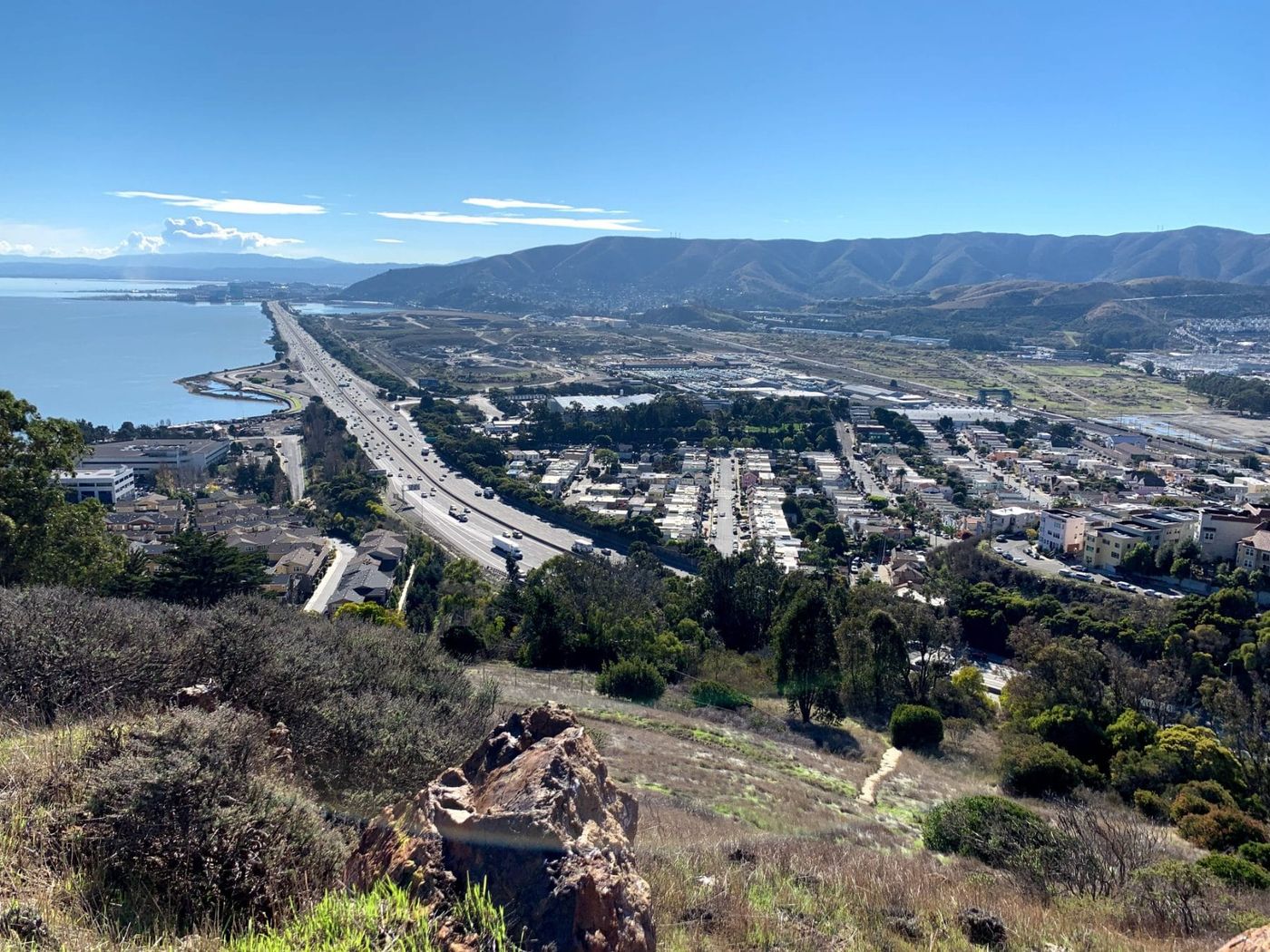
Little Hollywood is one of the smallest neighborhoods in San Francisco, a wedge of homes between Bayshore Boulevard and US-101 at the city’s southern edge. Most San Franciscans couldn’t find it. The people who live there consider that a feature.
The Neighborhood Block by Block
Where the Name Came From
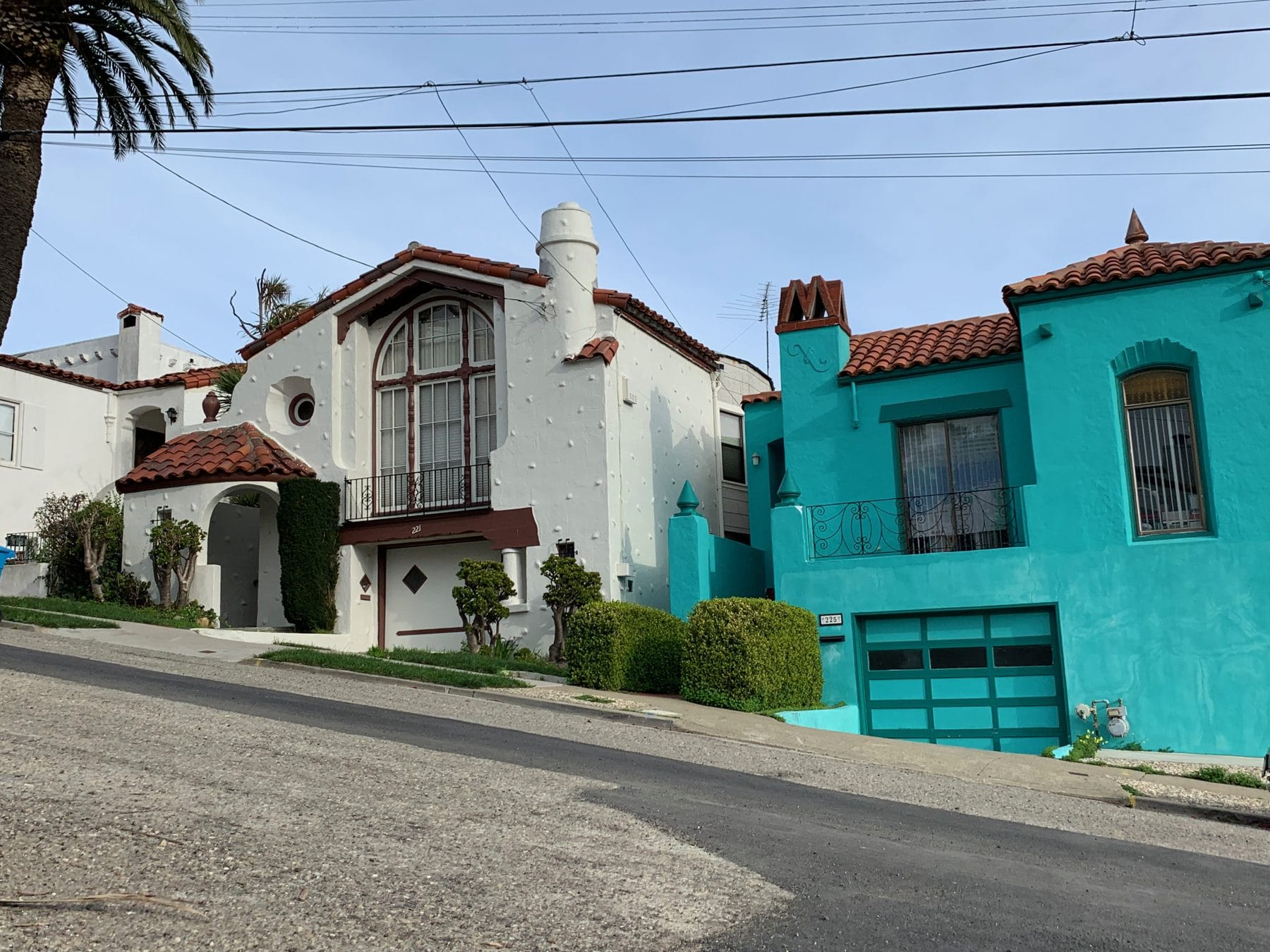
The Crocker Estate Company laid out the area in the early 1920s as part of its Bayshore tract. The neighborhood got its nickname from the houses built in the late 1920s and early 1930s, many of which resembled homes in the Hollywood Hills.
Spanish Revival on the Hill. photo: matt fuller
The Mae West Story
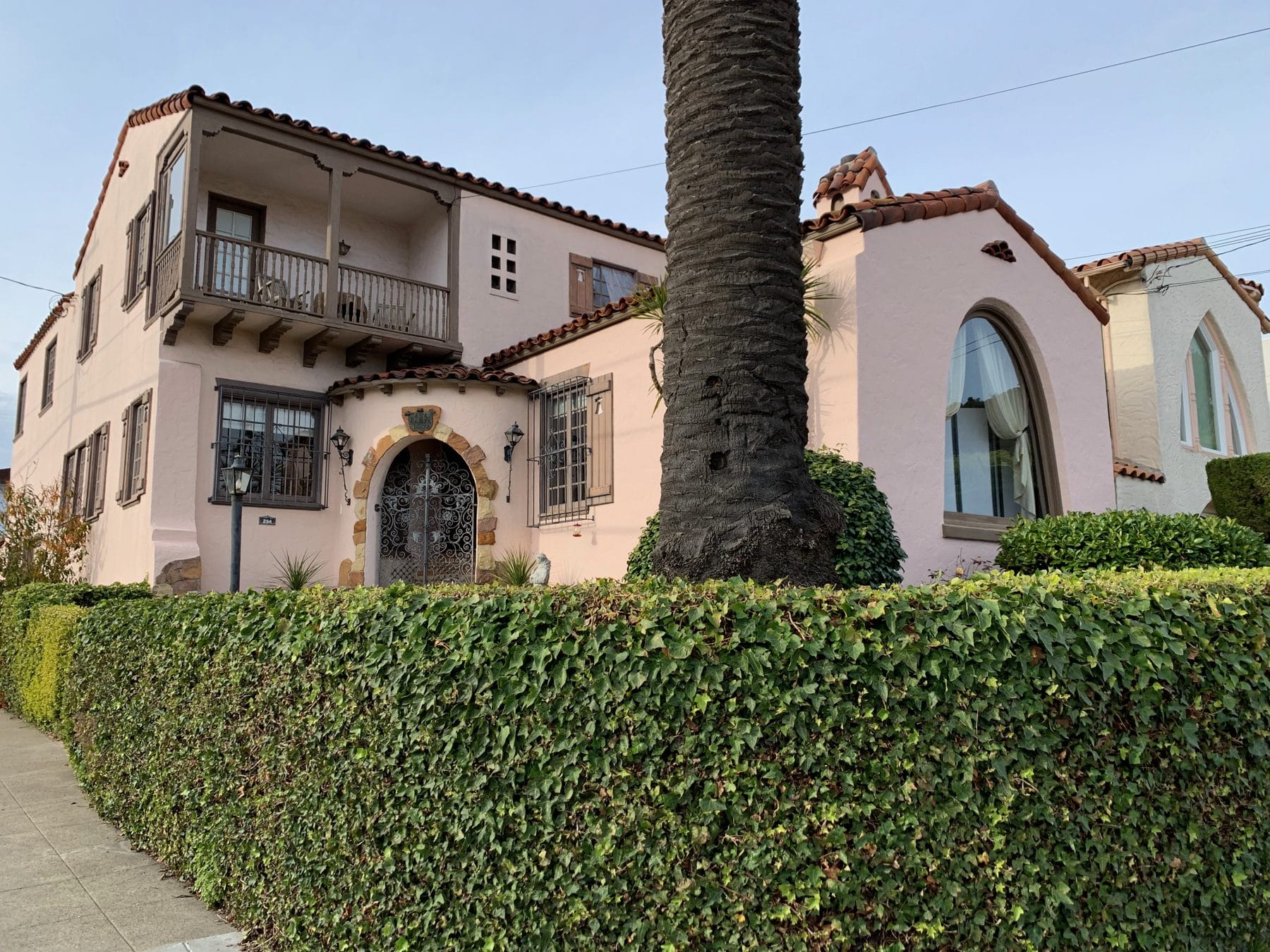
Local legend says Mae West kept a getaway at Casa Bahia Loma, at the corner of Blanken and Tocoloma. Nobody has ever proven it. The more likely story is that the owner of Lucky Lager built the house in 1933 for his brewmaster. Either way, it is the most famous house in the neighborhood.
Balconies, Arches and a Hedge. photo: matt fuller
Small and Self-Contained
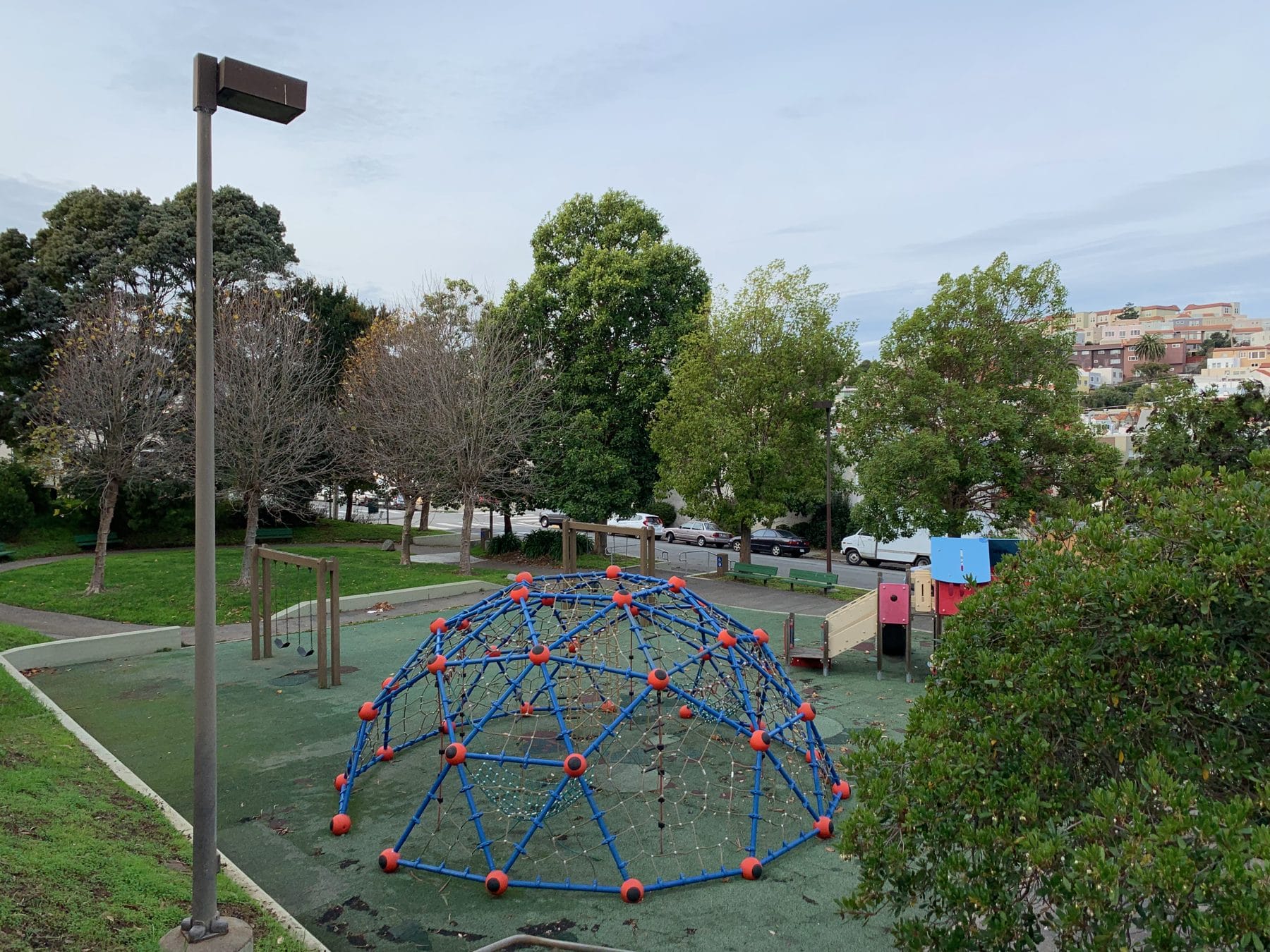
Little Hollywood Park on Lathrop Avenue has a playground and a basketball court, and Bayshore Caltrain is just south on Tunnel Avenue. With freeway on one side, Bayshore on the other and the hills to the south, the neighborhood has edges on every side, which is why it feels like a small town.
Little Hollywood Community Park. photo: matt fuller
Next Door to Recology
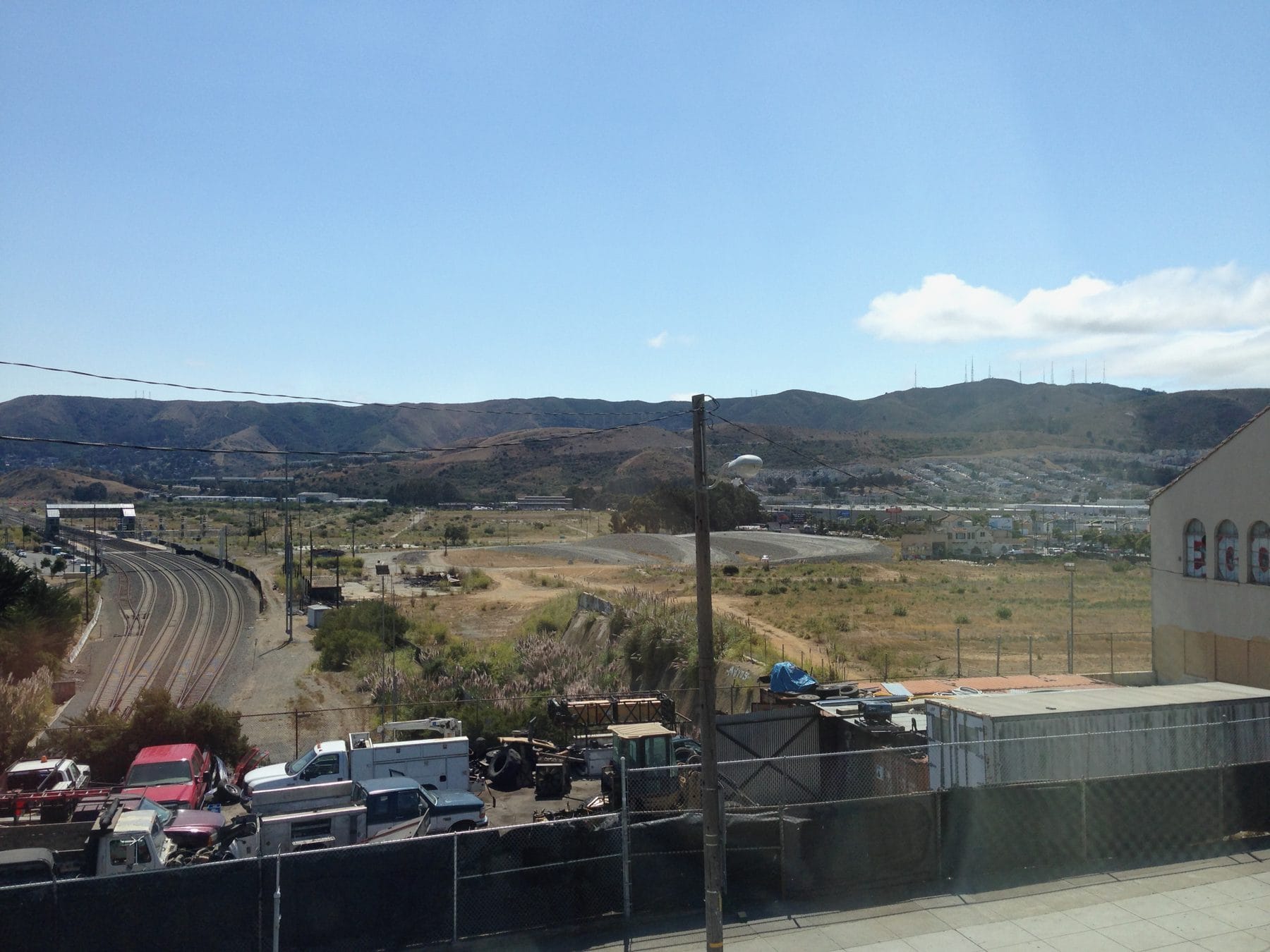
The southern edge of the neighborhood backs onto Recology’s Tunnel Avenue facility, the transfer station where much of San Francisco’s garbage and recycling is handled. It is the biggest tradeoff here and a large part of why prices are where they are. It also brings an unexpected perk: Recology’s long-running artist-in-residence program and a sculpture garden on the hill between the facility and the houses.
Looking East From the Neighborhood Edge. photo: matt fuller
The Longer Story
The Homes in Detail
Mostly single-family houses from the 1920s and 1930s, built on the hillside streets off Bayshore in styles that recalled the Hollywood Hills. Condos are rare. Because the neighborhood is so small, the MLS records only a handful of sales a year.
A Little History
Developed by the Crocker Estate Company starting in the early 1920s on land that had been part of the Bayshore tract, Little Hollywood took its name from the look of its first houses. Parts of the surrounding hills were later cut down for bay fill.
Getting Around
Bayshore Caltrain station is at the neighborhood’s southern edge, Muni runs on Bayshore Boulevard, and US-101 is immediately east.
Questions We Hear
What Are Homes Like in Little Hollywood?
Mostly single-family houses from the 1920s and 1930s, many still with their period character.
How Do People Commute From Little Hollywood?
Caltrain from Bayshore Station, Muni on Bayshore Boulevard, or US-101.
Did Mae West Really Live Here?
It’s a good story with no proof behind it. The house usually credited to her was more likely built for a brewmaster.
Where Do People Shop?
Across Bayshore Boulevard on Leland Avenue in Visitacion Valley, or along Bayshore toward the Portola.
Is Little Hollywood Next to the Dump?
Next to the transfer station, which is the polite word for it. Recology’s Tunnel Avenue facility borders the south side of the neighborhood. Some buyers rule that out immediately; others see it as the reason they can buy a house with a yard in San Francisco for well under $1 million. Walk the blocks closest to the facility on a weekday morning and decide for yourself.