What Homes Sell For
Recent Sales
Median sale prices, last 12 months · Oct 2025 – Oct 2026
- Houses
- $3,319,750
- Condos & co-ops
- $1,535,000
- TICs
- $1,675,000
Sales in MLS neighborhood 5J (Duboce Triangle) reported to the San Francisco MLS, including off-MLS sales; known below-market-rate (BMR) sales excluded. Medians need at least 5 sales. Updated monthly; deemed reliable but not guaranteed. Compare every neighborhood on the price map or ask us what a specific home is worth.
The Good
- Duboce Park, a favorite with dogs and families
- One of the most transit-rich spots in the city: the N-Judah, Church Station and Market Street
- Flat enough to walk everywhere
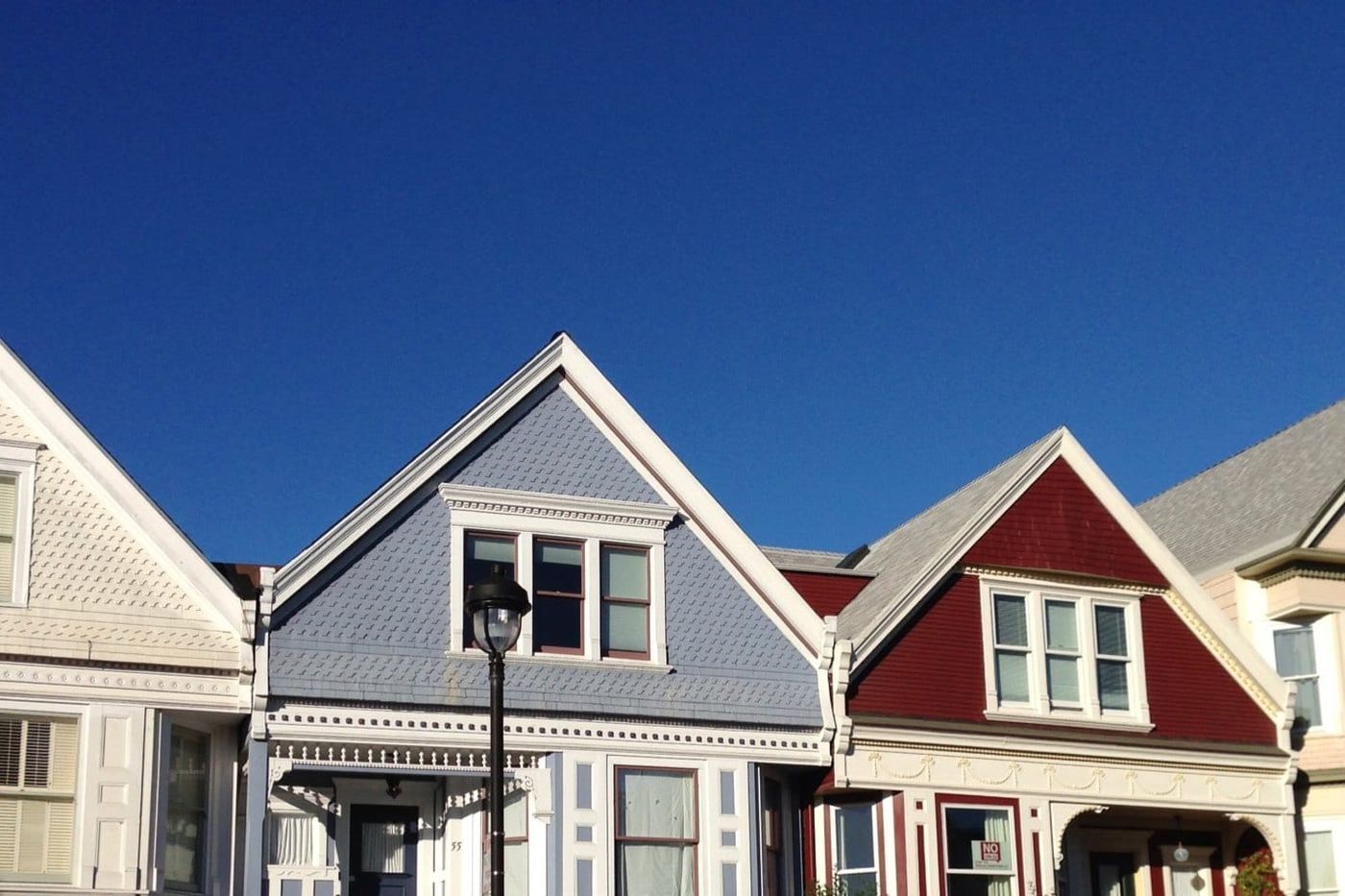
- Victorian and Edwardian homes, no high-rises
- Values hold up: condos sell about 20% over the citywide median, TICs about 42% over
The Tradeoffs
- A small neighborhood with few listings at a time
- Market Street can be loud
- Houses are scarce: six sold last year
- Street parking is tight
Duboce Triangle is the wedge formed by Duboce Avenue, Castro Street and Market Street, just north of the Castro and south of the Lower Haight. It is small, flat and green, with Duboce Park at its center, Market Street for dinner and errands, and enough transit that plenty of residents never bother with a car. The Fuller Team has been selling San Francisco homes since 2002, so this guide is the version we give clients: what the houses are really like, what they sell for, and who tends to be happy here.
The Neighborhood Block by Block
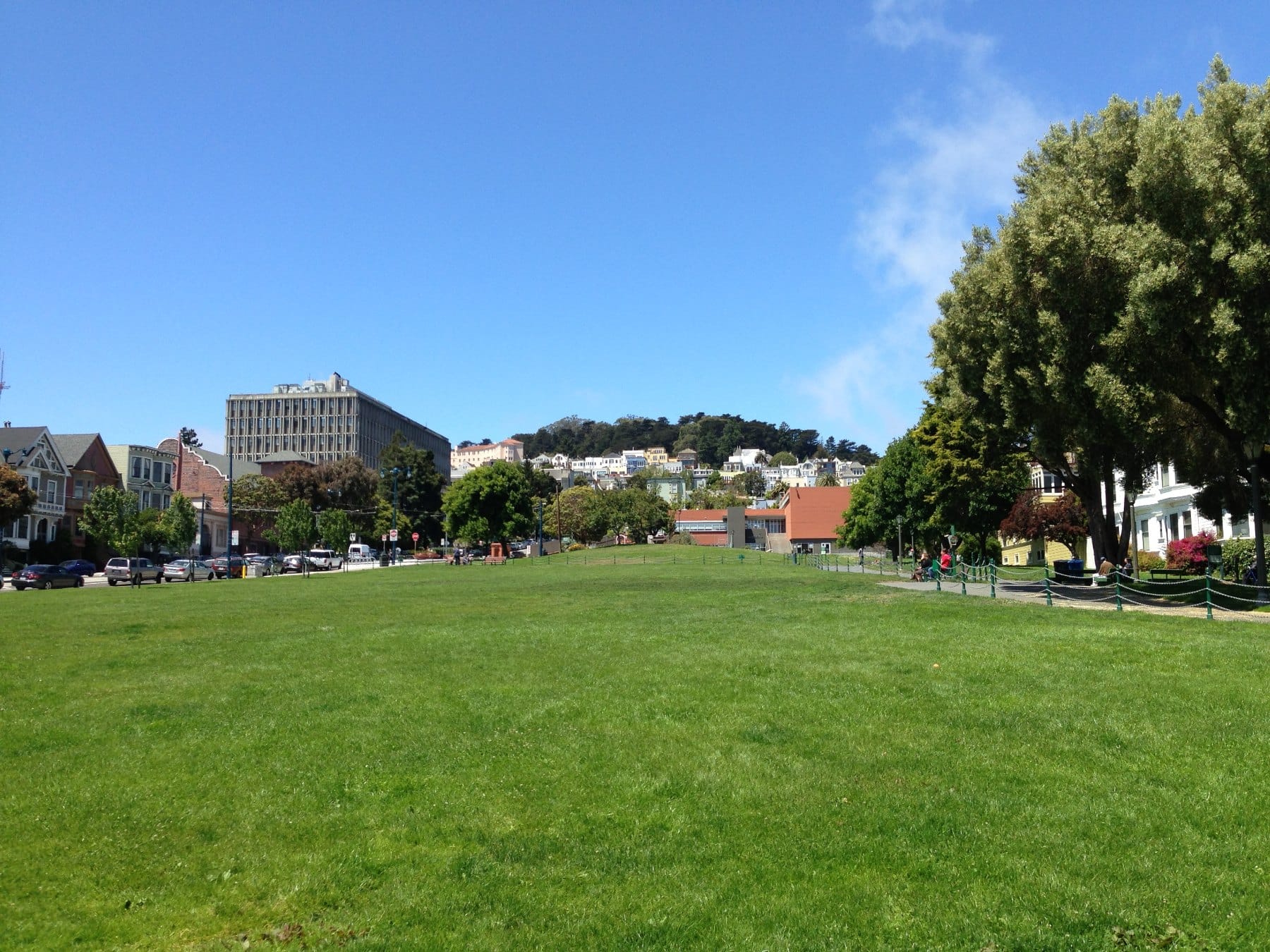
The Park Is the Living Room
Duboce Park is one of the city’s favorite dog parks, with a fenced playground and the Harvey Milk Recreation Center on the west side. If it’s daylight, there’s a dog on the lawn.
The Lawn at Duboce Park. photo: matt fuller
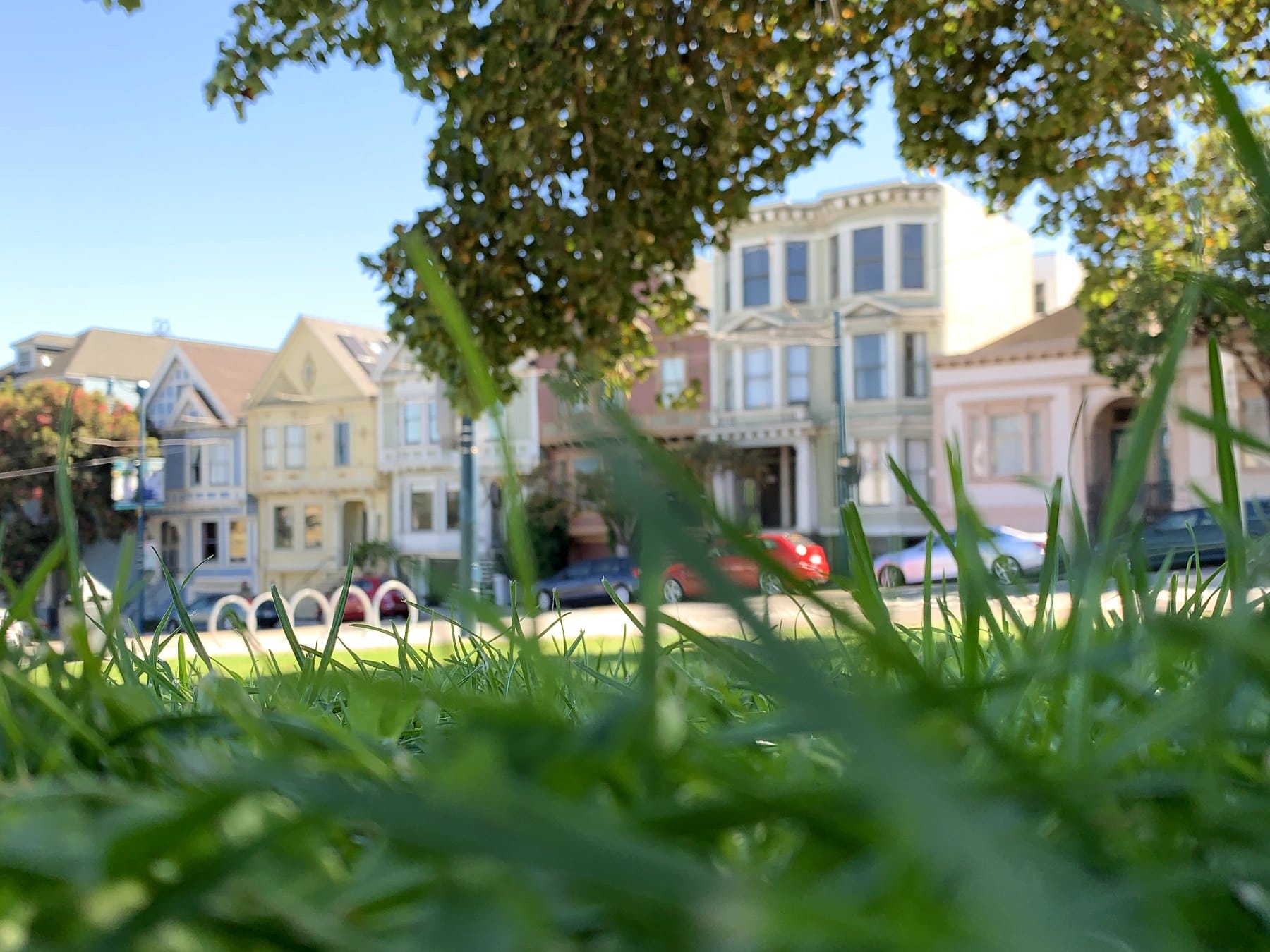
Victorians Facing the Lawn
The houses along the park are some of the most photographed in the neighborhood.
Victorian Homes Along Duboce Park. photo: matt fuller
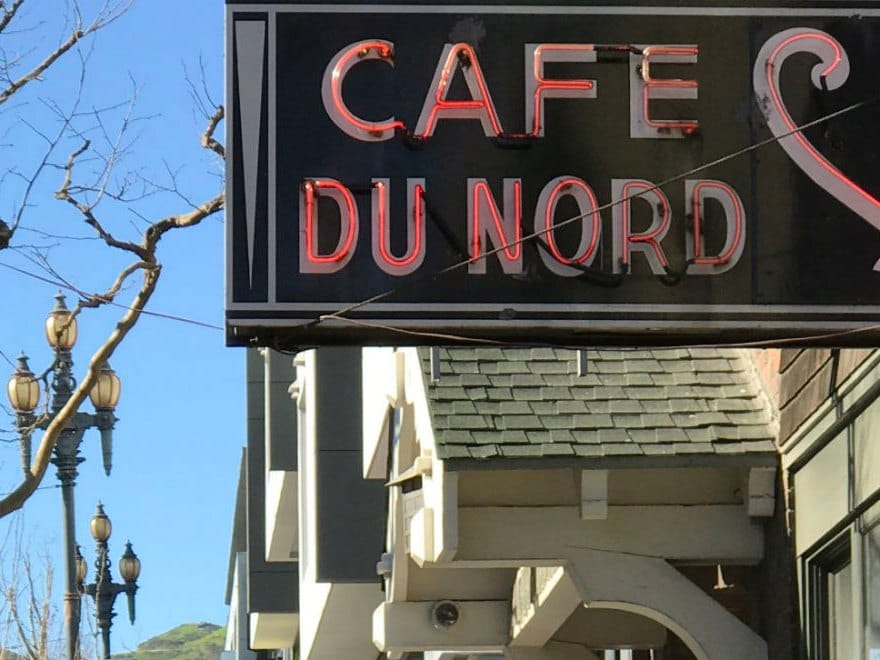
Market Street After Dark
Market Street defines the south side, with restaurants, bars and music venues like Café Du Nord, plus grocery stores within walking distance.
The Café Du Nord Sign on Market Street. photo: matt fuller
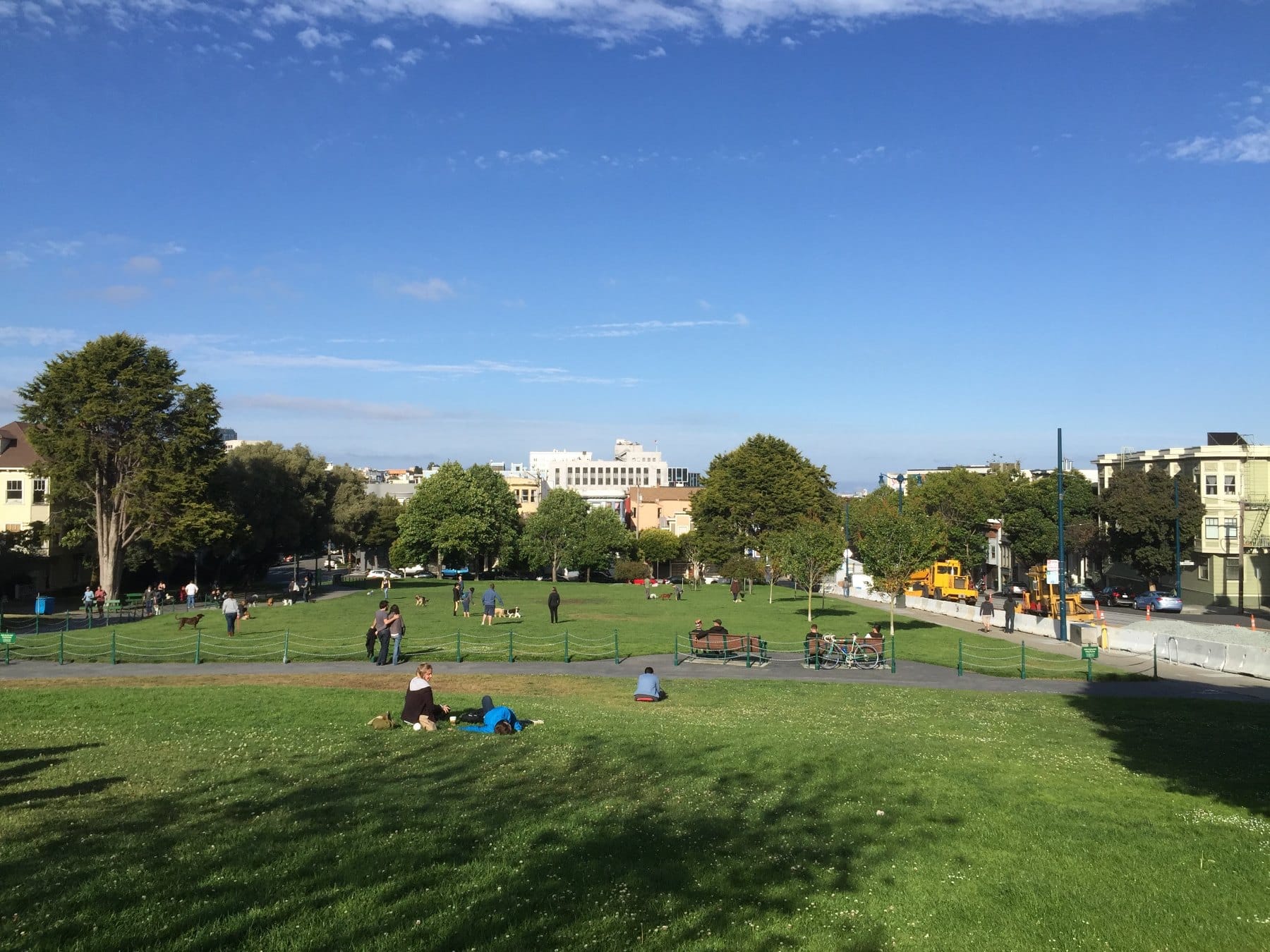
Afternoons on the Grass
On sunny weekends the lawn fills up with picnics, ball games and dog owners comparing notes.
An Afternoon at Duboce Park. photo: matt fuller
The Longer Story
The Homes in Detail
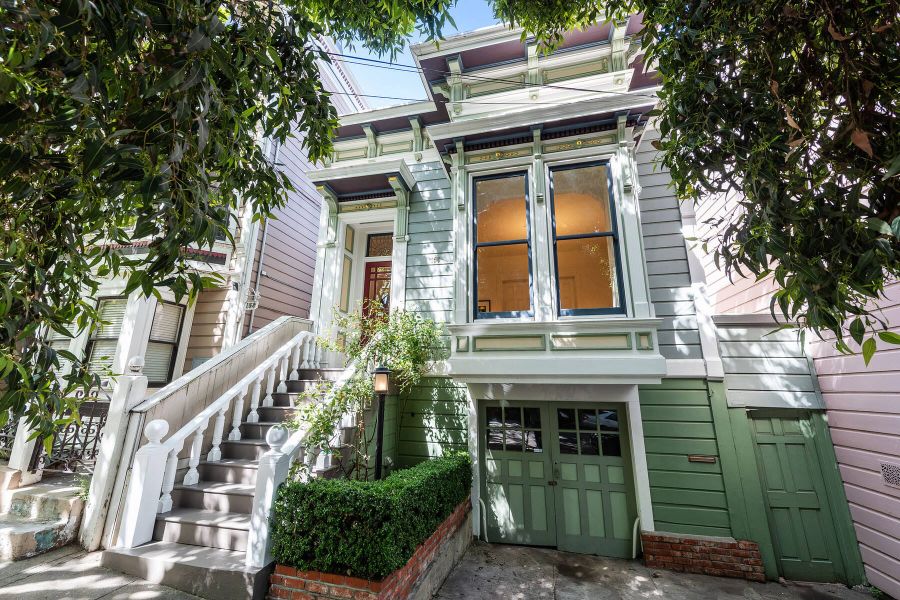
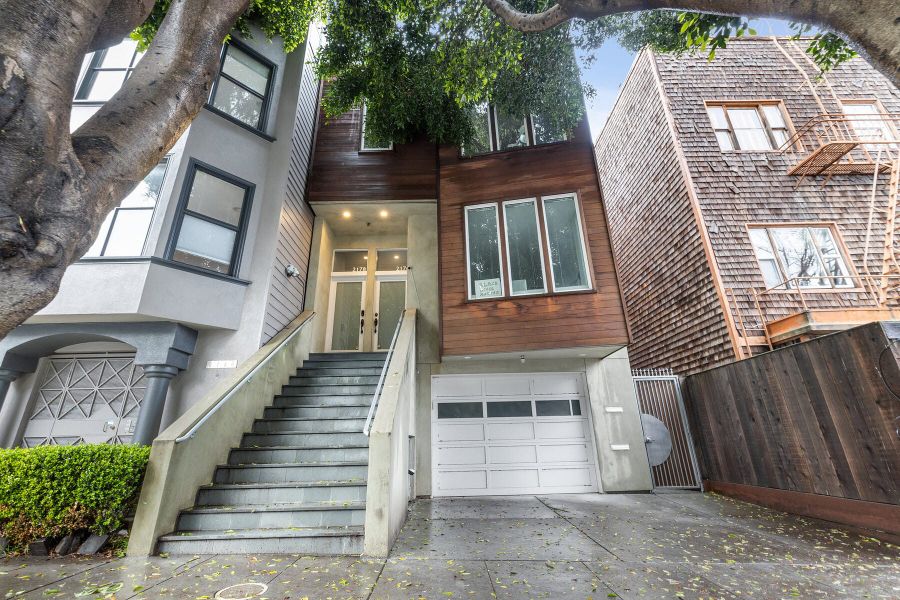
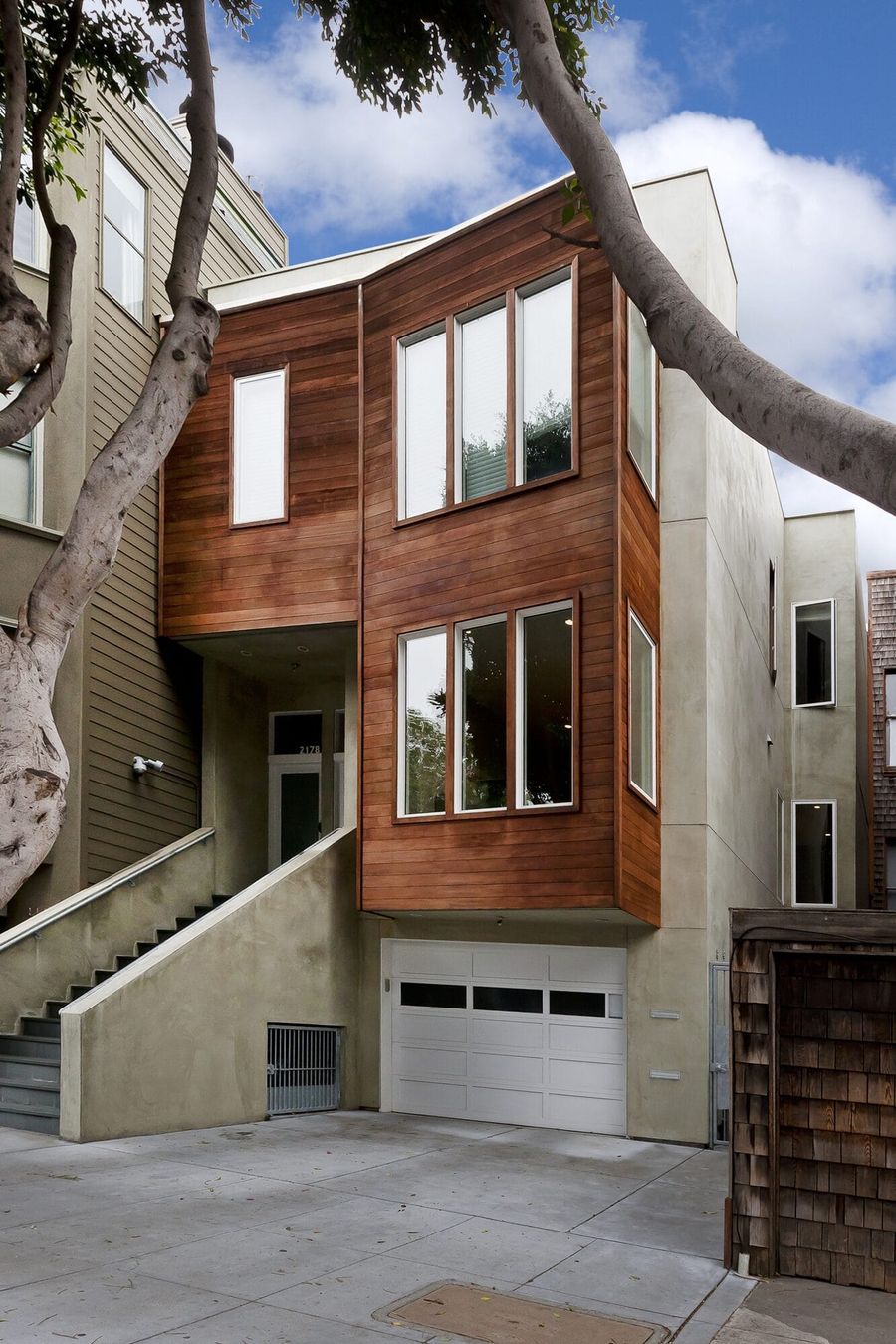
No high-rises here: Victorian and Edwardian homes abound, with single-family houses, condominiums in converted buildings and some TICs. Homes rarely sit on the market long, thanks to the weather and the location.
Condos sold for a median of about $1,210 a square foot last year.
Noe Street’s Green Start
Noe Street begins in Duboce Triangle, and a 1970s streetscape project left it full of mature trees and sidewalk planters.
Getting Around
The N-Judah runs along Duboce on the north side, Church Station and other light-rail lines are a short walk away on Market Street, and the neighborhood is not too hilly. It is an easy place to live car-free.
Questions We Hear
Are There Any Notable Historical Landmarks or Sites in Duboce Triangle?
The name "Duboce" honors Victor Duboce, a lieutenant colonel who served with distinction in the First California Volunteer Infantry Regiment during the Spanish–American War in the Philippines, and who also served as one of San Francisco’s early Supervisors. The newly built Duboce Park was dedicated in his honor in 1900.
Many of the homes in Duboce Triangle were built in the classical revival style in 1906. 400 Duboce Apartments has been called the “oldest standing wooden structure west of the Mississippi.” The Benedict-Gieling house beside the parklet at 22 Beaver Street is a San Francisco Landmark, built in 1879, and a rare example of suburban Italianate villa in the city.
How Does the Community Vibe in Duboce Triangle Contribute to its Real Estate Appeal?
Duboce Triangle is quintessential San Francisco, minus all the hills. The neighborhood is a mix of single and multi-family homes, with many flats, apartment buildings, and some newer condos along Market Street. Duboce has a laid-back vibe, despite its next-door proximity to both the Castro and the Lower Haight. Because of its flat terrain, it’s beloved by pedestrians, bikers, and dog walkers, and Duboce Park is a popular hangout spot with a children’s playground, dog play area, nearby cafe, and MUNI stop for the N-Judah. Because of its central location, beautiful homes, tree-lined streets, and proximity to public transit and commercial corridors, homes here sell quickly.
Where Can I Find New Construction in Duboce Triangle?
As an “already built” neighborhood, Dolores Heights is not a neighborhood where you should expect to find substantial new construction projects. Smaller developers may renovate/flip existing properties, or may take advantage of recent housing laws to add additional units to already existing housing. Transit corridors and major neighborhood streets are the most likely areas for new construction buildings in already built neighborhoods with existing housing stock.
What Are the Average Home Prices in Duboce Triangle and How Have They Trended?
Prices in Duboce Triangle move block by block and season by season, so a single average hides more than it tells. Our Market Notes track current values across the city. For a read on a specific home or street, ask us: we’ll pull the recent sales and tell you what they mean.
What Are the Average Home Prices in Duboce Triangle?
Prices in Duboce Triangle move block by block and season by season, so a single average hides more than it tells. Our Market Notes track current values across the city. For a read on a specific home or street, ask us: we’ll pull the recent sales and tell you what they mean.