What Homes Sell For
Recent Sales
Median sale prices, last 12 months · Oct 2025 – Oct 2026
- Houses
- $2,795,000
- Condos & co-ops
- $650,000
Sales in MLS neighborhood 4B (Diamond Heights) reported to the San Francisco MLS, including off-MLS sales; known below-market-rate (BMR) sales excluded. Medians need at least 5 sales. Updated monthly; deemed reliable but not guaranteed. Compare every neighborhood on the price map or ask us what a specific home is worth.
The Good
- Some of the most accessible condo prices in the city, with views to match.
- Glen Canyon Park is next door: trails, a rec center, ballfields and tennis.
- Midcentury and modern architecture instead of the Victorian template.
- Quick access to I-280 and Glen Park BART.
- Houses sell above the city median, which is good news for owners.
The Tradeoffs
- Hilltop weather means wind and fog.
- Retail is limited to one shopping center.
- Most of the housing is condos and townhomes, so single-family inventory is limited.
- Some HOA buildings carry meaningful dues; read the budget.
Diamond Heights was planned in the 1950s as a redevelopment project designed to work with the city’s hills instead of leveling them. The result is a midcentury neighborhood of condos, townhomes and modern houses near the geographic center of San Francisco, with Glen Canyon on its doorstep and views east to the bay.
The Neighborhood Block by Block
Glen Canyon Is the Backyard
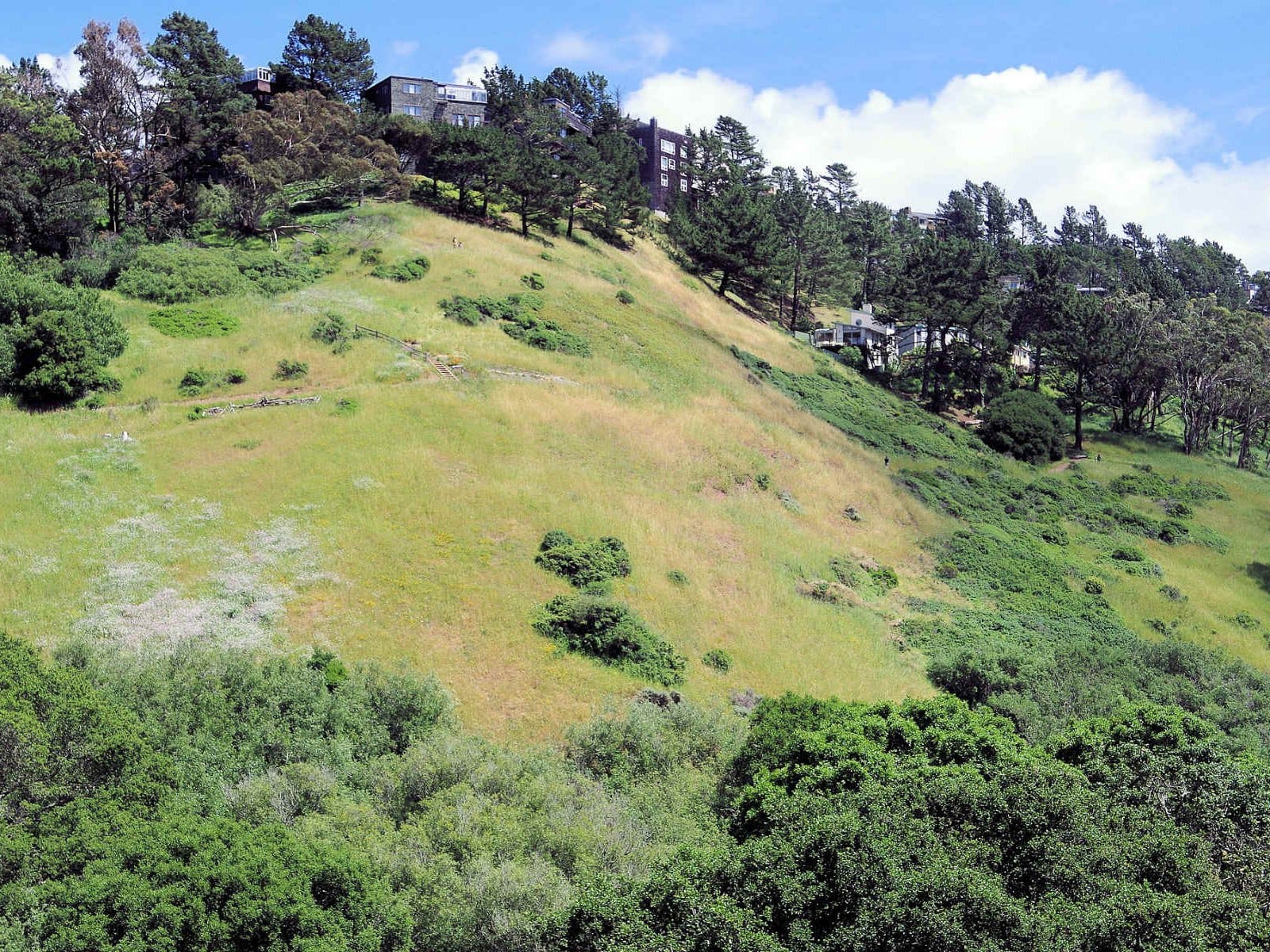
Glen Canyon Park wraps the south side of the neighborhood: rock outcrops, creekside trails, a rec center, ballfields and tennis courts, all within a few minutes on foot.
Glen Canyon Park. photo: matt fuller
Gardens Between the Buildings
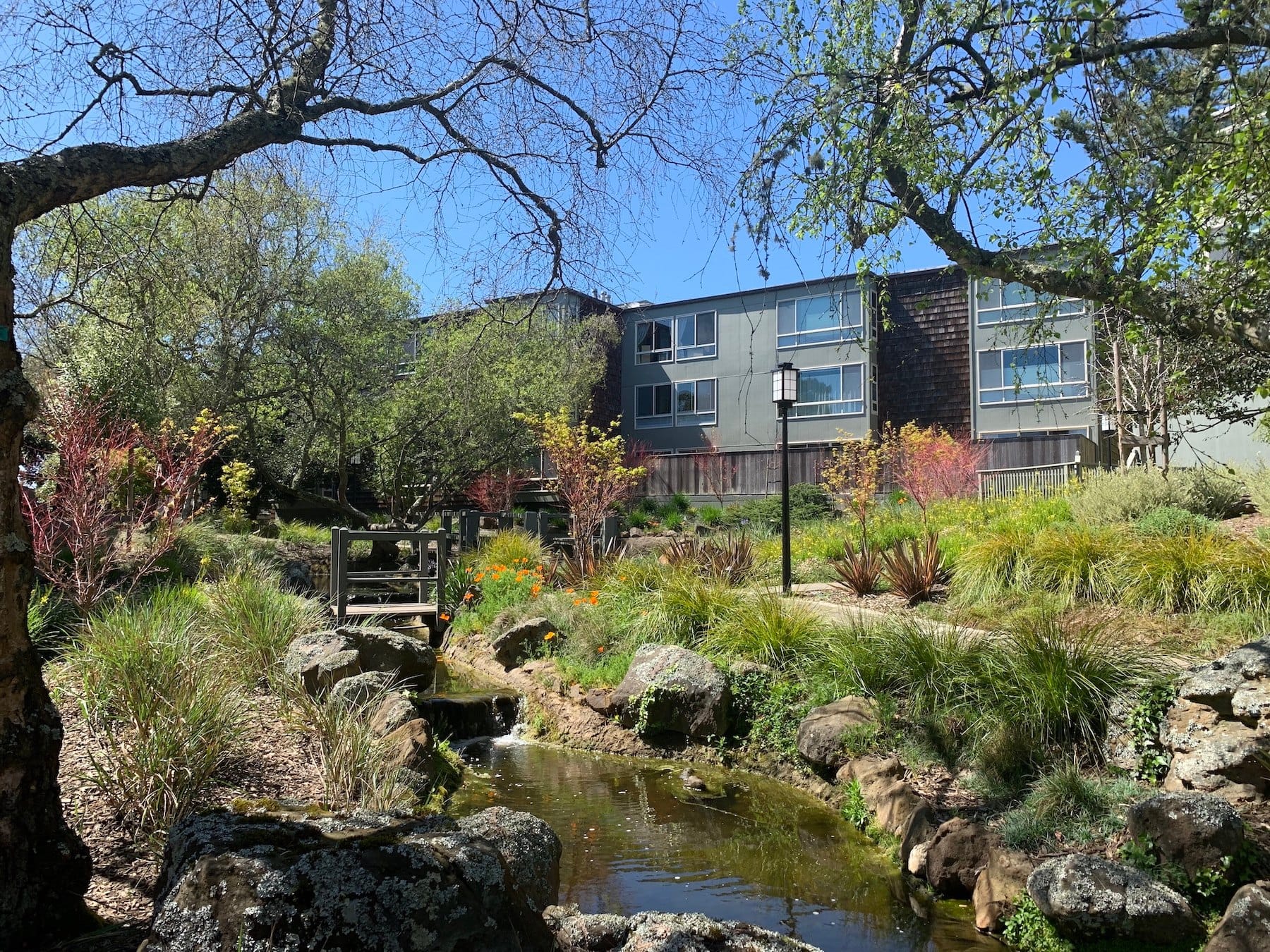
The condo complexes were planned with landscaping and open space around them. Diamond Heights Village alone has nearly 400 condos, a clubhouse and a heated pool.
A Garden in Diamond Heights. photo: matt fuller
Views East to the Bay
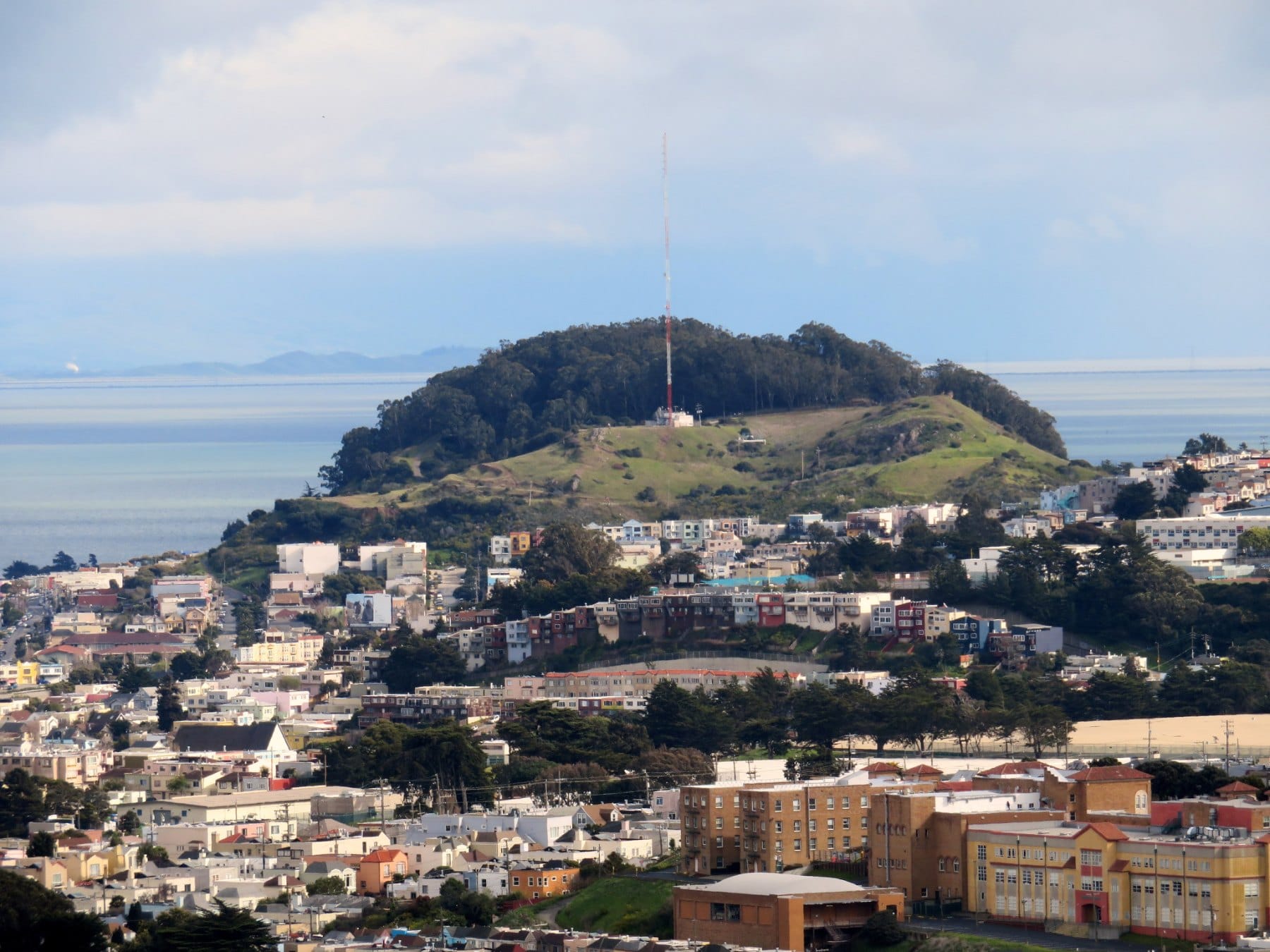
From the upper streets the city drops away toward the southeast neighborhoods and the bay beyond.
Looking East from Diamond Heights. photo: matt fuller
Midcentury and Modern
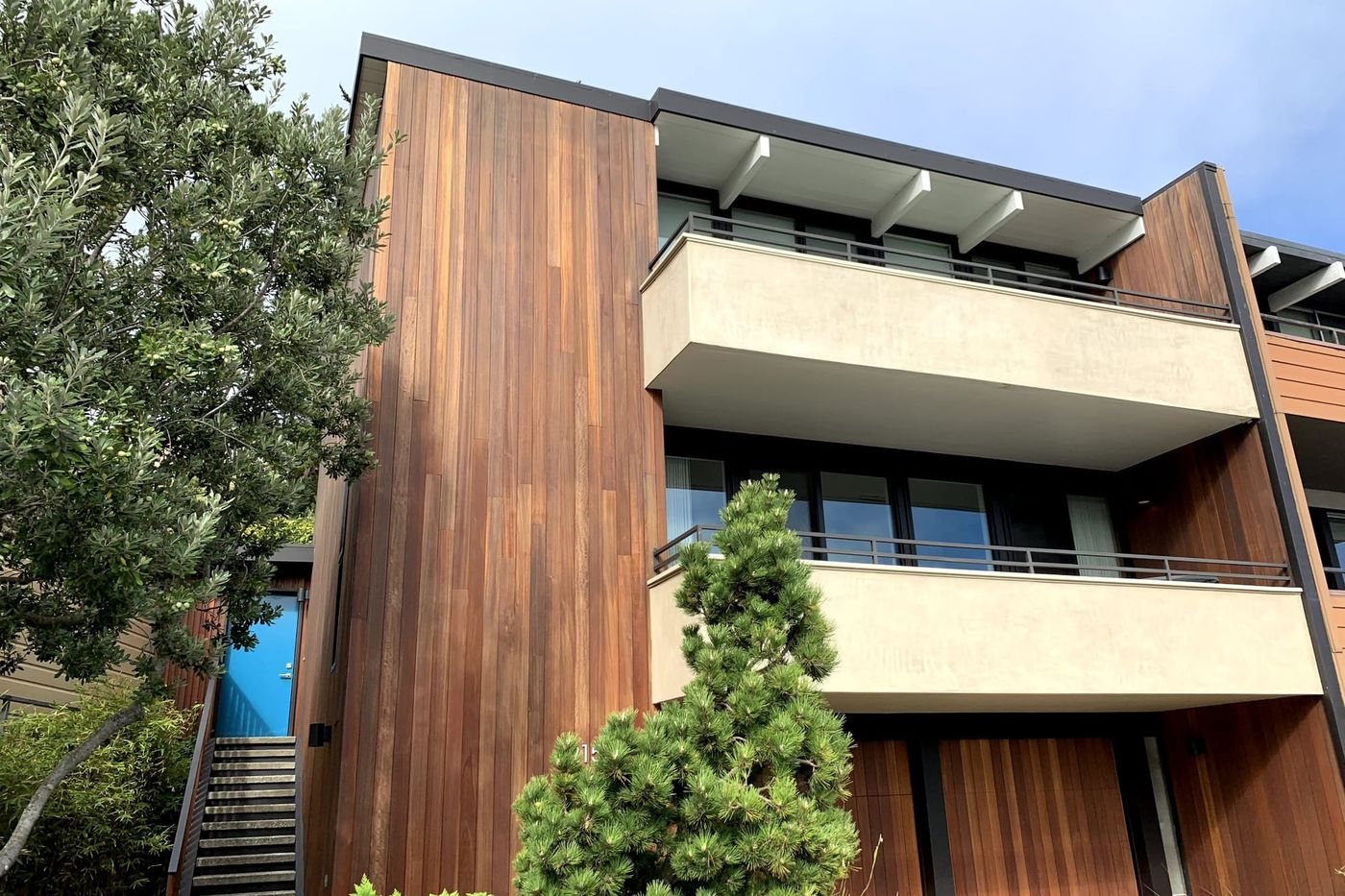
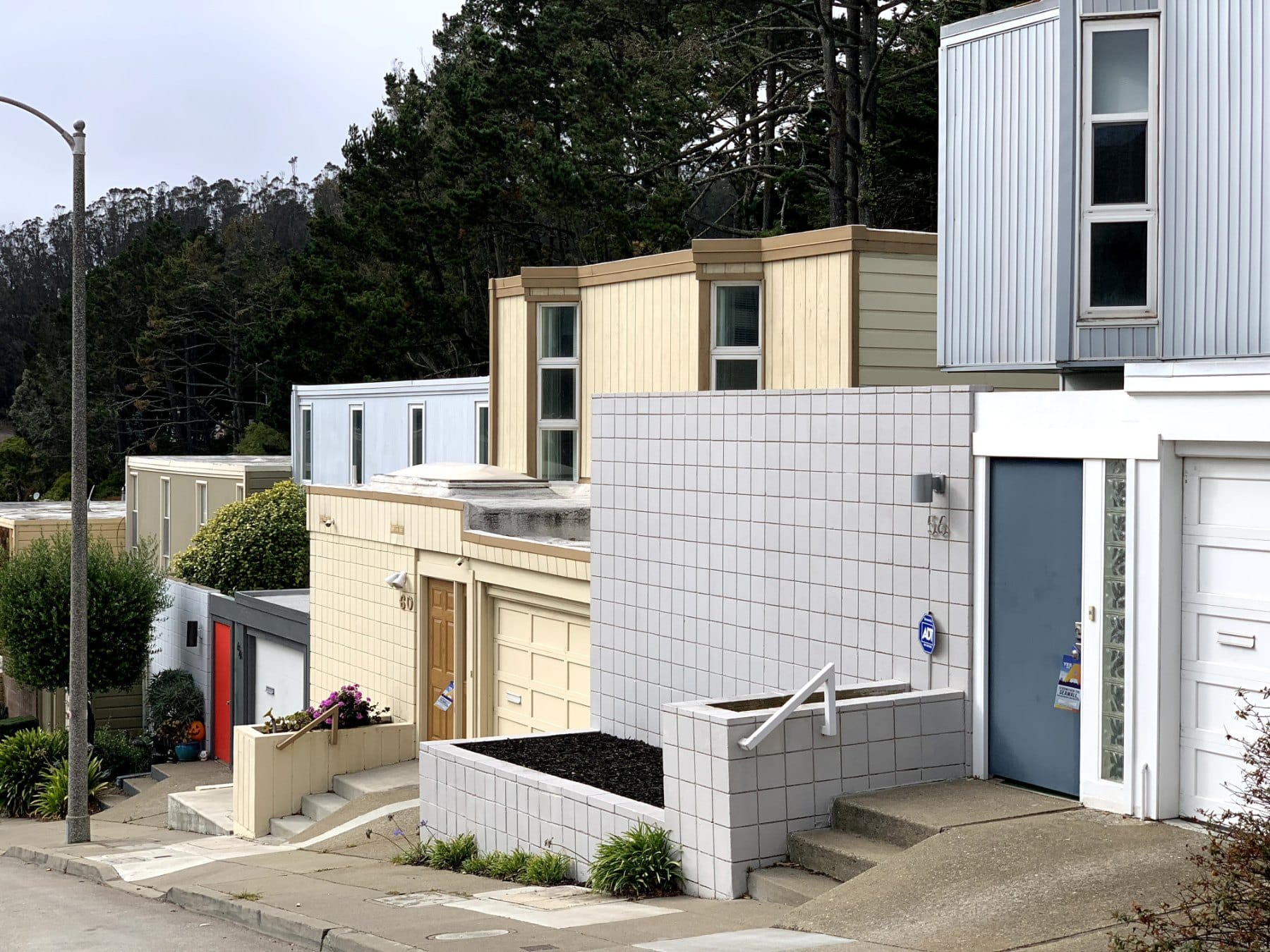
Townhomes and houses here lean modern: flat roofs, wood and stucco, big windows aimed at the view.
Modern Homes on a Diamond Heights Street. photo: matt fuller
The Longer Story
The Plan
Diamond Heights was the product of postwar redevelopment, planned to fit housing to the hills at the center of the city. It was meant as a model of integrated design, with residential, recreational and commercial uses in one community.
The Homes in Detail
Condos, townhomes and TICs outnumber single-family homes. Diamond Heights Village has nearly 400 condos with a clubhouse and heated pool. Houses tend to be midcentury or modern.
Getting Around
Glen Park BART and I-280 are a few minutes away, and Muni buses run through the neighborhood.
Questions We Hear
Are There Any Notable Historical Landmarks or Sites in Diamond Heights?
Diamond Heights was the first major project of the San Francisco Planning and Urban Research Association (SPUR), designed to harmonize urban development with the city’s hilly terrain instead of leveling it. This plan, made possible under a 1951 law, aimed to transform the hills at the center of San Francisco into a thoughtfully designed residential community. The neighborhood was intended as a model of integrated urban design, balancing residential, recreational, and commercial needs in a single community. As a result, Diamond Heights is more well-known for its midcentury homes and condos than the typical Victorians and Edwardians of the city.
What Is There to Do in Diamond Heights?
Diamond Heights is a mostly residential area, though it has a shopping center (and a police academy). Families enjoy the George Christopher playground, dogs enjoy the Upper Douglass play area, and everyone enjoys the next-door Glen Canyon Park, a serene and green 66-acre site with recreation center, playground, baseball fields, hiking trails, and tennis courts.
How Does the Community Vibe in Diamond Heights Contribute to its Real Estate Appeal?
Diamond Heights has a different vibe than many city neighborhoods, as a home to many more condos, apartments, and TICs than the usual single-family homes in Victorian and Edwardian styles. Diamond Heights Village contains nearly 400 condos, a clubhouse, billiard room, and heated pool (which is good for the neighborhood’s frequent foggy nights. Parts of Diamond Heights offer great views of downtown and the East Bay, and the neighborhood has quick access to Interstate 280 and the Glen Park BART station.
Where Can I Find New Construction in Diamond Heights?
As an “already built” neighborhood, Diamond Heights is not a neighborhood where you should expect to find substantial new construction projects. Smaller developers may renovate/flip existing properties, or may take advantage of recent housing laws to add additional units to already existing housing. Transit corridors and major neighborhood streets are the most likely areas for new construction buildings in already built neighborhoods with existing housing stock.
What Are the Average Home Prices in Diamond Heights?
Prices in Diamond Heights move block by block and season by season, so a single average hides more than it tells. Our Market Notes track current values across the city. For a read on a specific home or street, ask us: we’ll pull the recent sales and tell you what they mean.