What Homes Sell For
Recent Sales
Median sale prices, last 12 months · Oct 2025 – Oct 2026
- Houses
- $7,125,000
- Condos & co-ops
- $1,740,000
- TICs
- 4 sales
Sales in MLS neighborhood 7D (Cow Hollow) reported to the San Francisco MLS, including off-MLS sales; known below-market-rate (BMR) sales excluded. Medians need at least 5 sales. Updated monthly; deemed reliable but not guaranteed. Compare every neighborhood on the price map or ask us what a specific home is worth.
The Good
- Union Street for dinner, coffee and errands on foot
- The Presidio and its trails along the western edge
- Victorian and Edwardian homes, many with bay views
- Easy run to the Golden Gate Bridge for North Bay commutes
- Values hold up: condos sell about 36% over the citywide median, and houses trade at a different level entirely
The Tradeoffs
- No Muni rail; buses only
- A climb home from Union Street
- Few houses come up: 23 sold last year
- Parking near Union Street on a weekend night
Cow Hollow sits between the flats of the Marina and the heights of Pacific Heights, roughly from Lombard up to Green and from Van Ness to the Presidio. It was dairy land in the 1800s, which is where the name comes from. Today it is Union Street’s restaurants and boutiques, classic north-side homes in slightly smaller sizes than the estates up the hill, and the Presidio’s trails at the end of the street. The Fuller Team has been selling San Francisco homes since 2002, so this guide is the version we give clients: what the houses are really like, what they sell for, and who tends to be happy here.
The Neighborhood Block by Block

The Lyon Street Steps
The hedged stairway between Broadway and Green is the neighborhood’s outdoor gym, with the Presidio wall on one side and the Palace of Fine Arts dome straight ahead.
The Lyon Street Steps. photo: matt fuller
Union Street Is the Front Porch
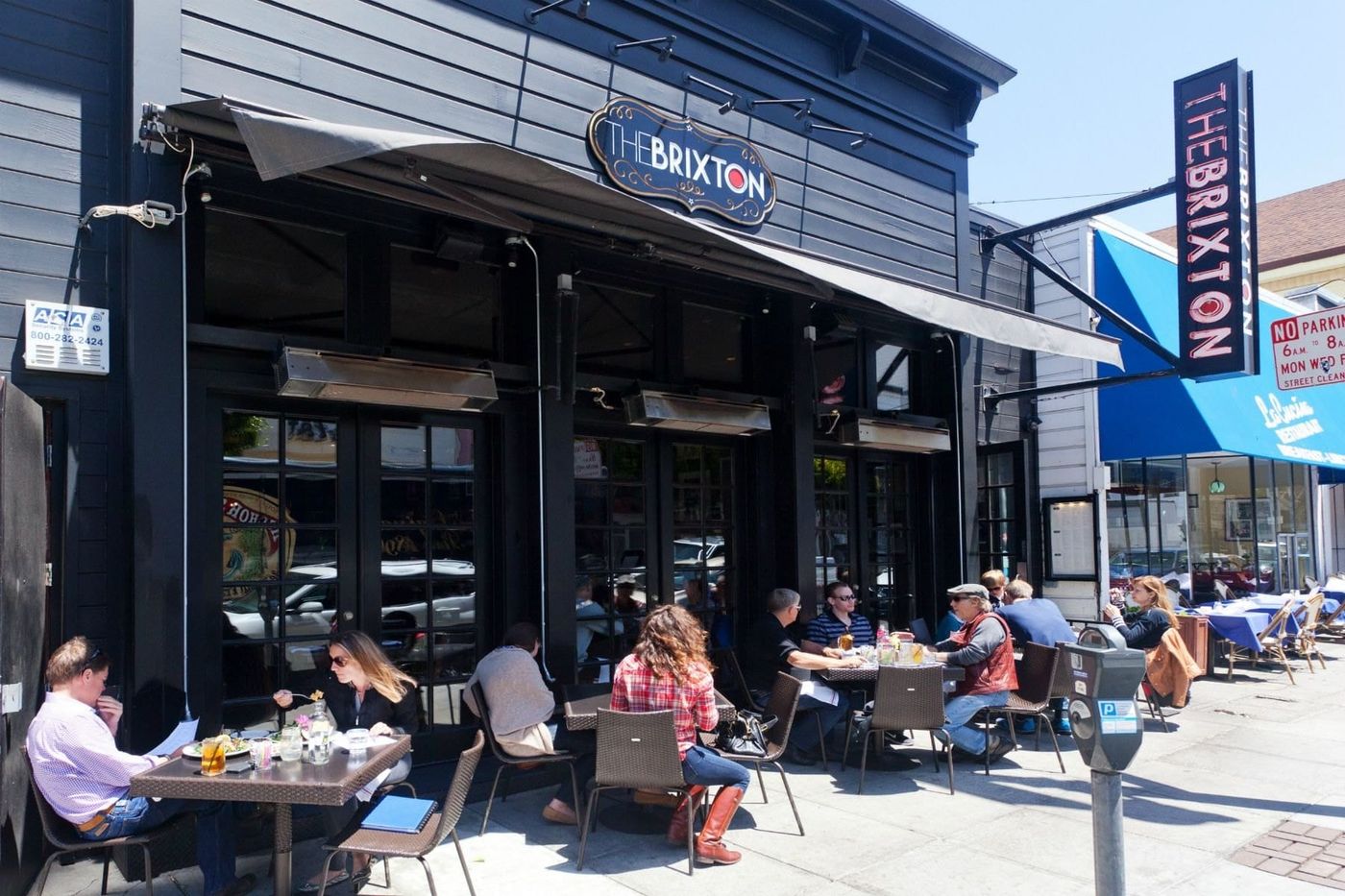
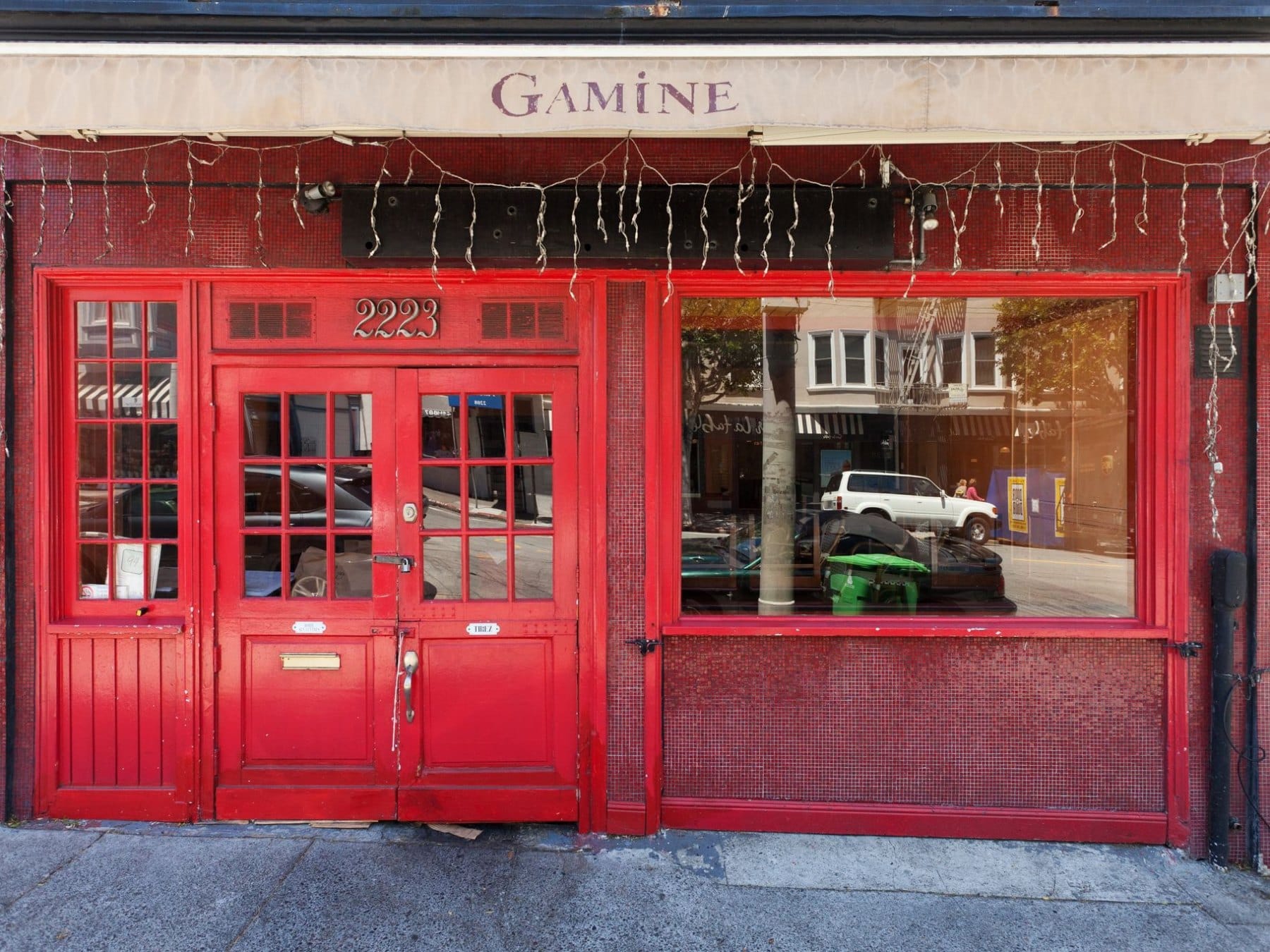
From Van Ness to Steiner, Union Street is a run of restored Victorian storefronts, bistros, boutiques and wine bars. Weekend brunch lines are the neighborhood’s social calendar, and most of Cow Hollow is a short walk from dinner.
Red Doors on Union Street. photo: matt fuller
The View Points North
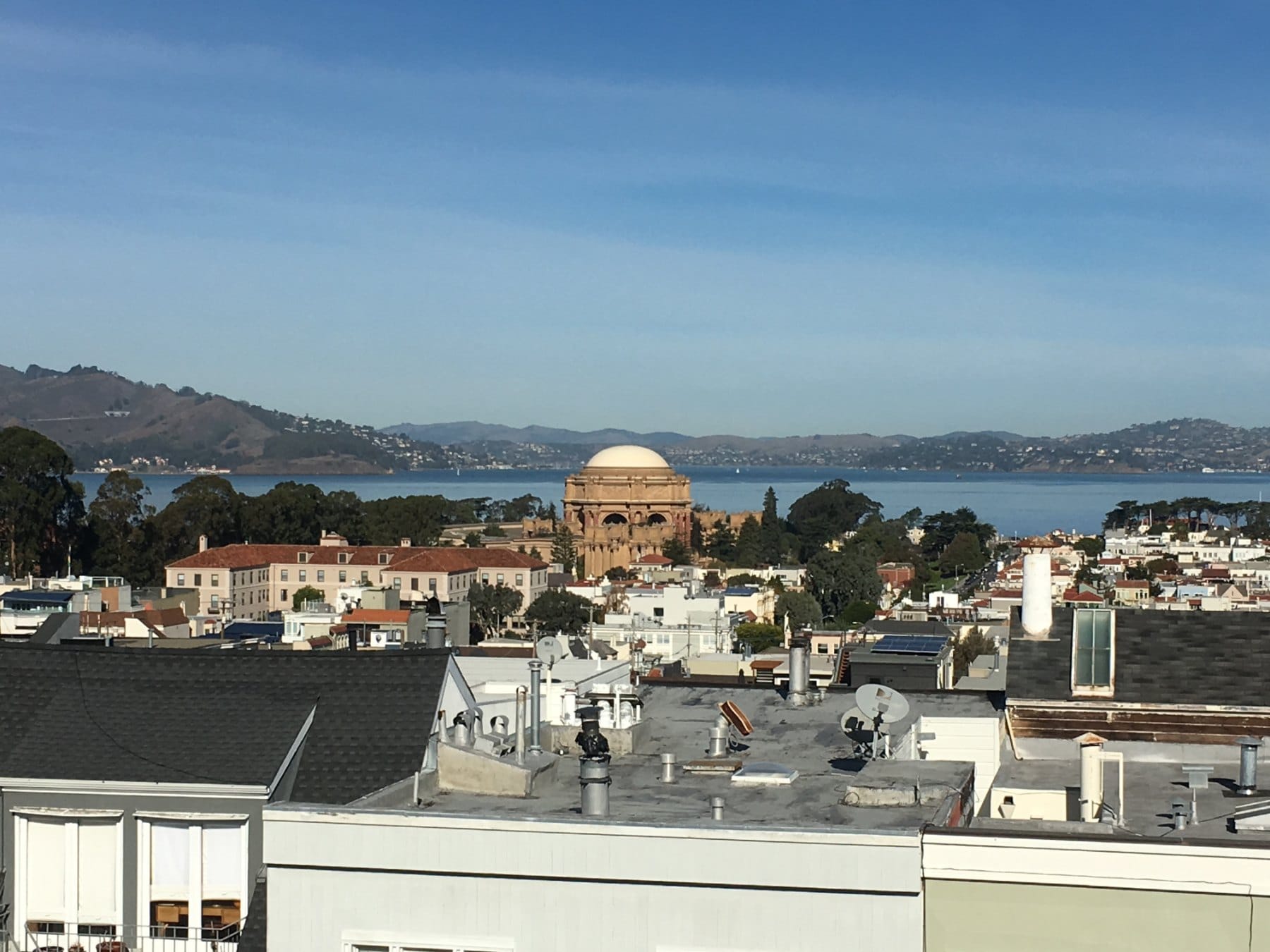
From the upper blocks, the rooftops fall away to the Palace of Fine Arts, the bay and the Marin Headlands.
Looking Over Cow Hollow to the Palace of Fine Arts and the Bay. photo: matt fuller
Victorians and Edwardians on the Slope
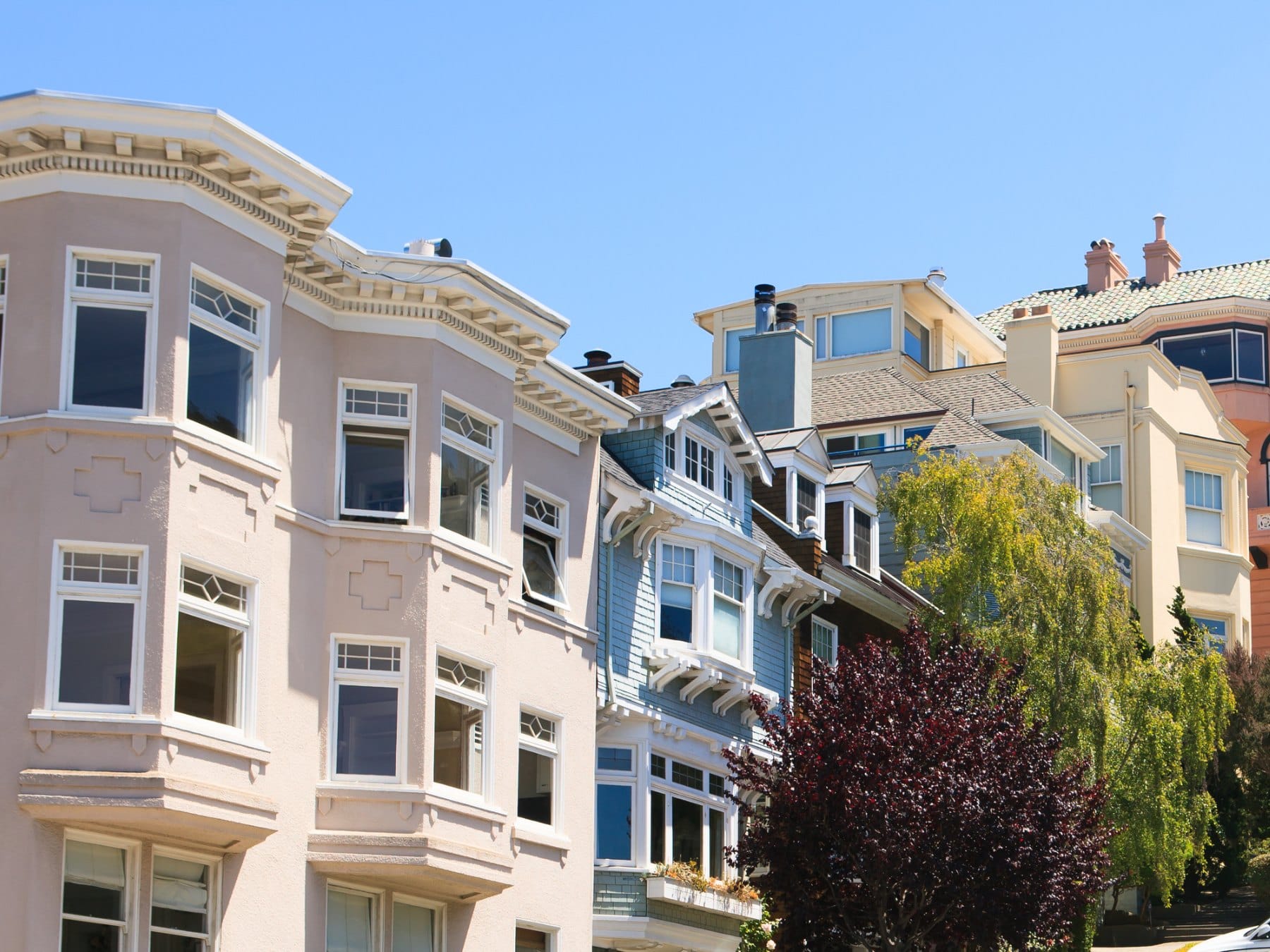
Most of the housing is turn-of-the-century wood, from comfortable to palatial, with a few Art Deco buildings mixed in.
Victorian and Edwardian Homes Climbing a Cow Hollow Street. photo: matt fuller
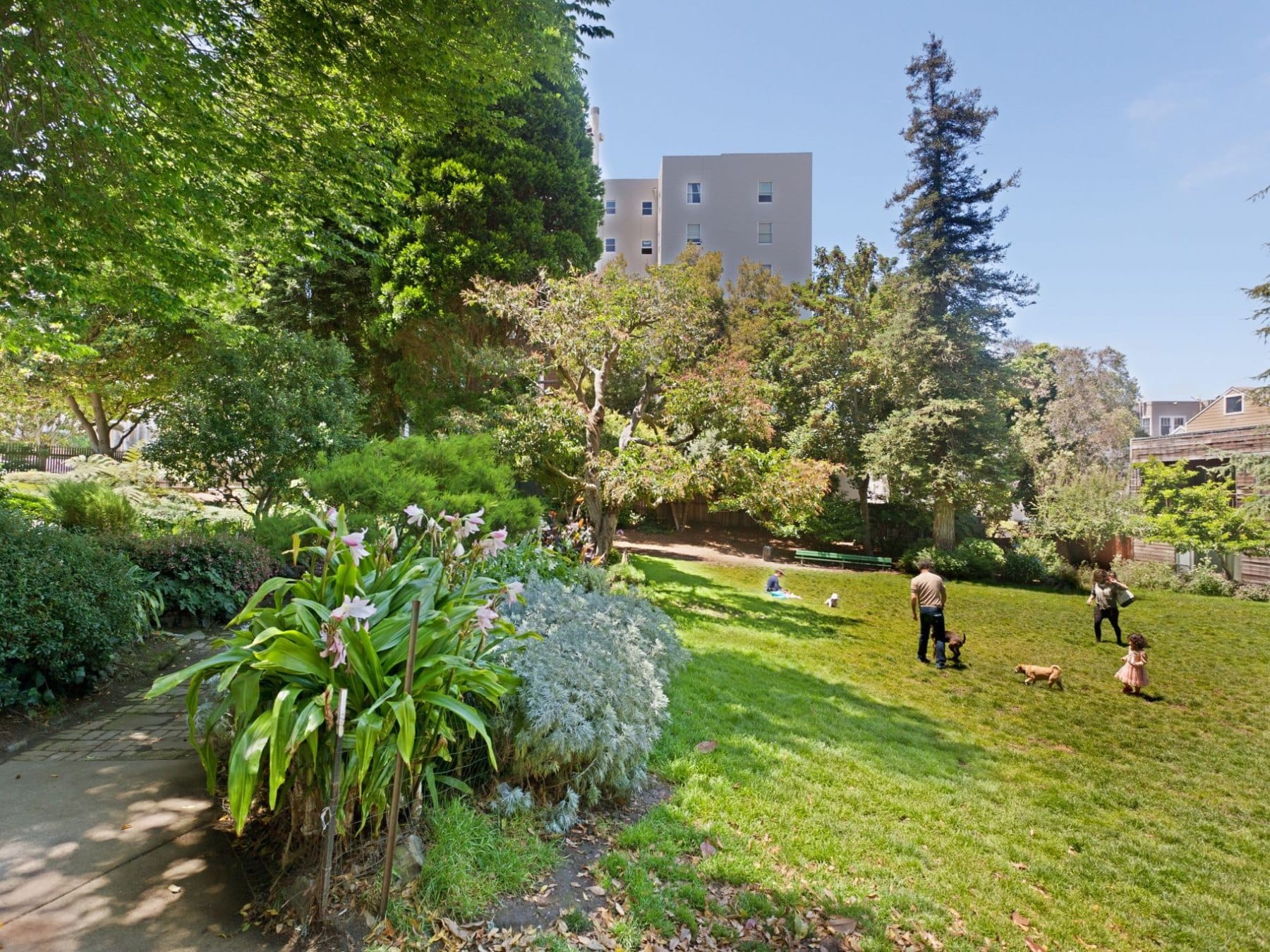
Allyne Park, the Hidden Lawn
At Green and Gough, next to the Octagon House, the old garden of the Allyne sisters is now a city park: winding paths, mature trees, a big lawn and no playground. It is a favorite of the neighborhood’s dogs, which tells you everything about it.
Allyne Park at Green and Gough. photo: matt fuller
The Longer Story
The Homes in Detail
Cow Hollow housing is mostly Victorian and Edwardian, with some Art Deco buildings popped in here and there. Sizes run from comfortable to palatial, and many homes have bay views.
Houses sold for a median of about $1,860 a square foot last year, and condos about $1,430. With 61 condo sales against 23 house sales, most buyers here end up in a flat.
Union Street
Union Street is the neighborhood’s main street: some of the city’s best restaurants, high-end boutiques next to frozen yogurt, and patios built for people watching after a long day.
The Presidio Next Door
The Presidio, a former Army post that is now offices, rental homes and open space, borders the neighborhood to the west, so its trails and overlooks are part of daily life here.
Getting Around
Muni trains don’t serve the neighborhood, but plenty of bus lines do. The Golden Gate Bridge is close for North Bay commutes. Walking north, down the hill, is easier than the walk back.
Questions We Hear
Are There Any Notable Historical Landmarks or Sites in Cow Hollow?
The name Cow Hollow dates back to the area’s use for cattle grazing in the mid-1800s, and the neighborhood’s main commercial corridor, Union Street, was once a dirt road connecting the Presidio with the developing city.
The Octagon House is one of the notable landmarks of Cow Hollow. An eight-sided home at the intersection of Union and Gough Streets, it was built in 1861 and followed a fad of octagon-shaped homes at the time. The structure now serves as a Colonial and Federal period decorative arts museum open to the public.
The Metro Theater was built in 1924, and the single-screen movie theater was in business until 2006. Now a gymnasium, the developer preserved some a few historic features inside, including a series of murals by interior designer Anthony Heinsbergen, Ionic columns, grilles and urns on the stage.
What Is There to Do in Cow Hollow?
Today’s Cow Hollow is probably best known for its lively, affluent commercial corridor along Union Street, full of some of the city’s best fine dining, coffee shops, pilates, and hair studios. Residents have easy access to many of the city’s best outdoor recreation (and stunning views) in the Presidio, Crissy Field, and the Marina Green. Nearby, the Fort Mason Arts Center operates out of a former military facility, offers an ever-evolving rotation of artistic programming that includes theater and dance performances, art installations, as well as educational and cultural classes.
How Does the Community Vibe in Cow Hollow Contribute to its Real Estate Appeal?
Though its homes may be a bit less grand, they’re no less beautiful than the ones above them on the hill of Pacific Heights. Cow Hollow offers some of the city’s finest upscale living, with well-tended Victorian and Edwardian homes and a lively shopping district.
Where Can I Find New Construction in Cow Hollow?
As an “already built” neighborhood, Cow Hollow is not a neighborhood where you should expect to find substantial new construction projects. Smaller developers may renovate/flip existing properties, or may take advantage of recent housing laws to add additional units to already existing housing. Transit corridors and major neighborhood streets are the most likely areas for new construction buildings in already built neighborhoods with existing housing stock.
What Are the Average Home Prices in Cow Hollow?
Prices in Cow Hollow move block by block and season by season, so a single average hides more than it tells. Our Market Notes track current values across the city. For a read on a specific home or street, ask us: we’ll pull the recent sales and tell you what they mean.